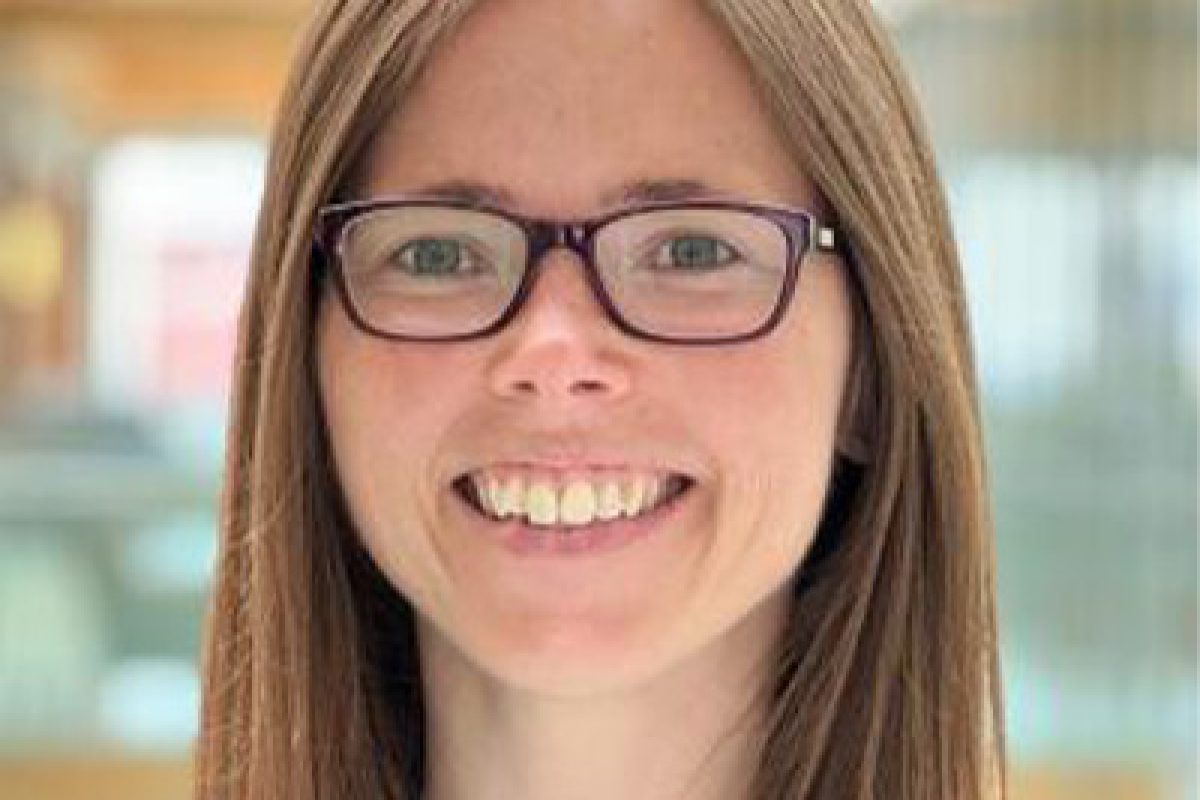
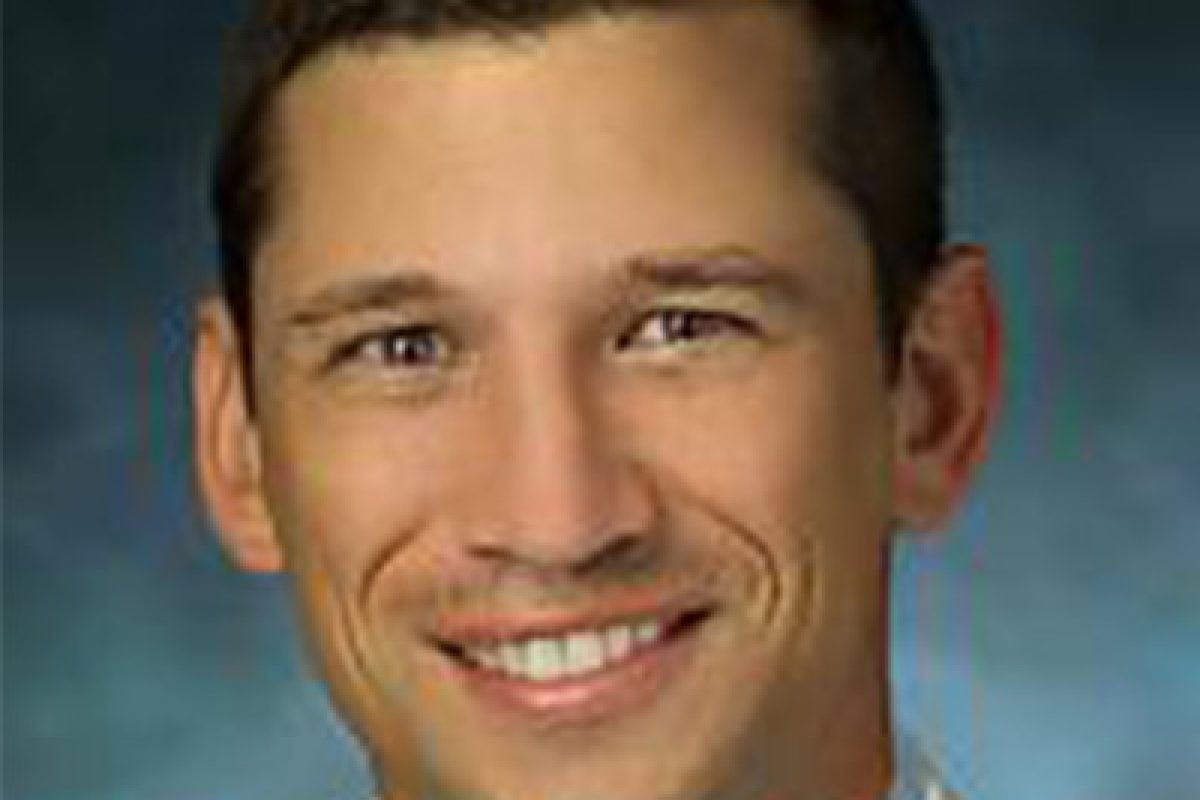
Laura Ensign

Dr. Ensign’s lab works broadly within nanomedicine and the development of therapeutics that provide sustained and effective treatment. Recent efforts aim to apply the principles of nanomedicine to provide various supportive approaches for enhancing cell and tissue regeneration, as well as utilizing nanomedicine for characterizing disease processes.

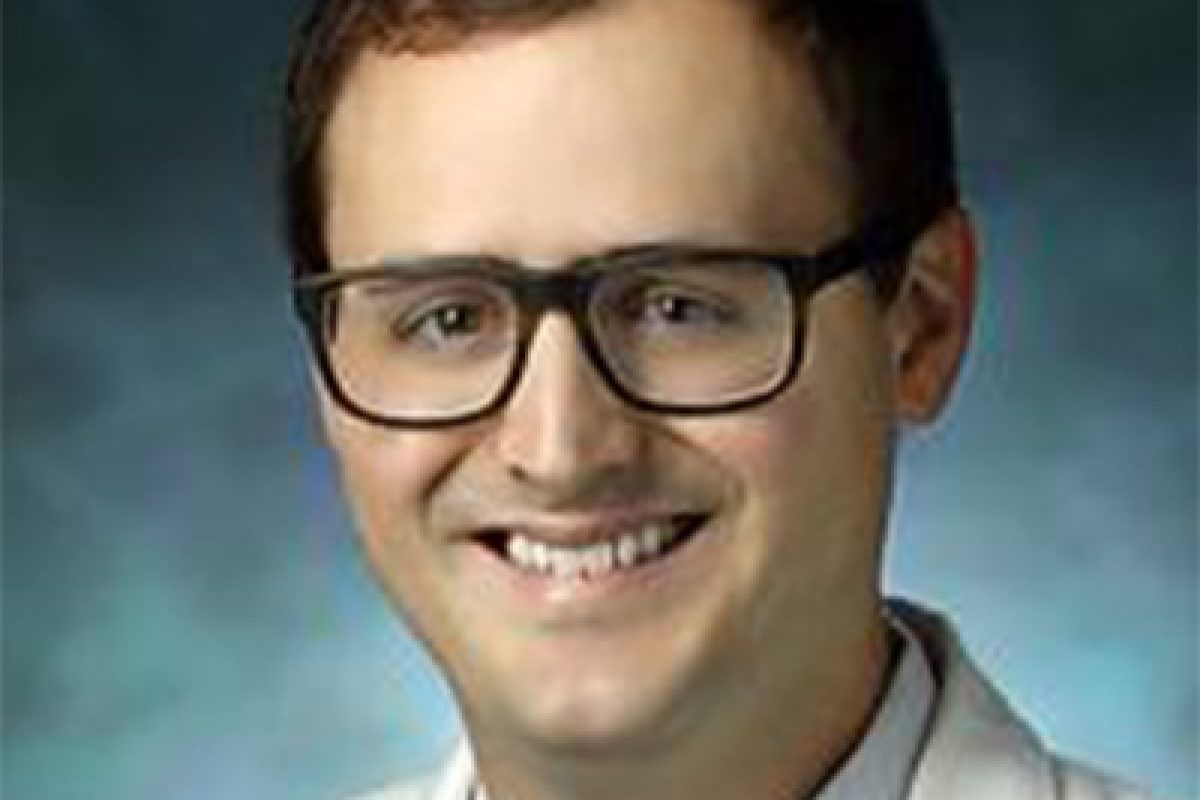
Kevin Motz

Dr. Motz is a junior faculty member in the department of Otolaryngology-Head and Neck surgery and is working to establish himself as a successful clinician scientist. He has successful received career development funding (K23) through the NIDCD to investigate pathologic signaling pathways in macrophages associated with pathologic wound healing and subsequent fibrosis in the larynx and trachea. His research is complimentary to the work being done in TTEC. Cumulatively, Dr. Motz’s research is geared at identifying and targeting novel signaling pathways that drive airway fibrosis with the end goal of engineering a drug eluting biomaterial that can be used treat chronic wounds in the larynx trachea. This focus aligns well with the cross-cutting themes of Precision Medicine and Disease Modeling.

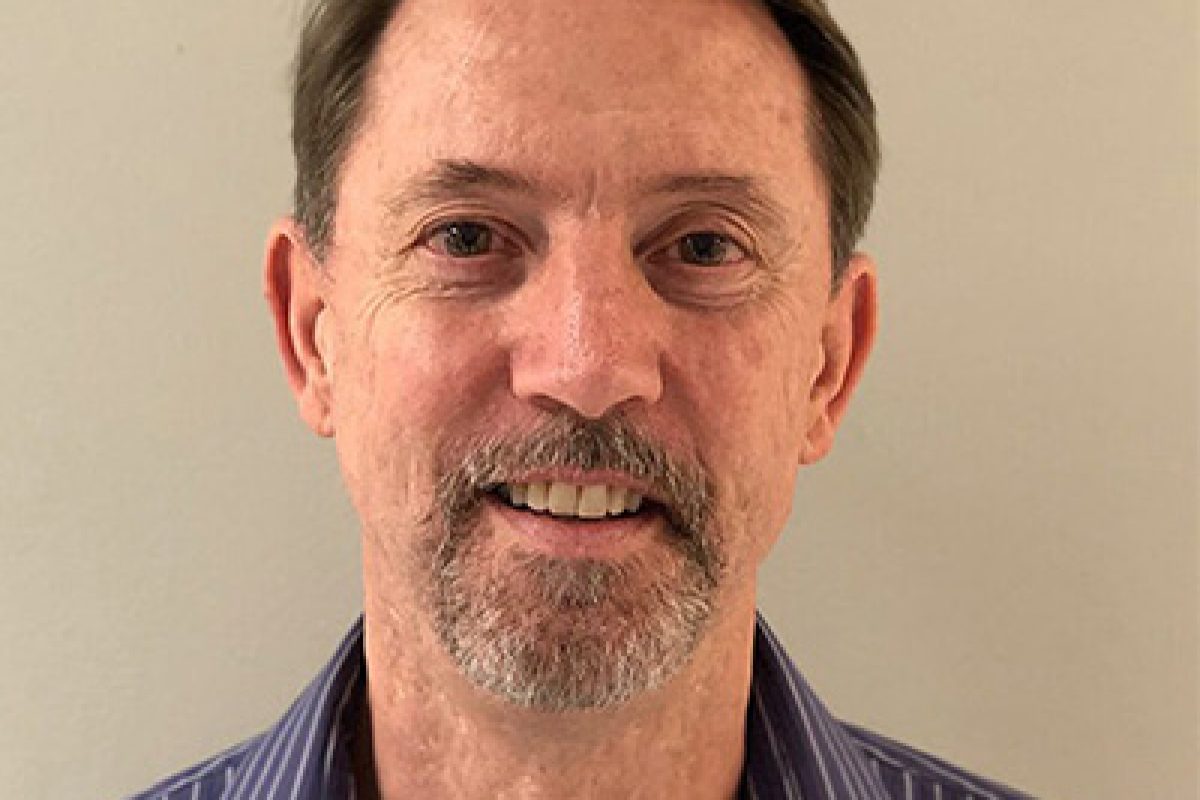
Ken Boheler

Dr. Boheler is a cardiovascular researcher with over 20 years of experience in Aging Research and over 25 years of experience in pluripotent stem cell biology. He has extensive expertise in the creation of human pluripotent stem cell (hiPSC) lines to model diseases such as Arrhythmogenic Cardiomyopathy, Marfan Syndrome, and vascular Ehlers-Danlos Syndrome. Coupled with the hiPSC derivatives are tissue engineered systems which are employed to study cell biology and mechanics. He is also a leader in the use of cell surface capture technologies and proteomics to study the surfaceome of in vitro differentiated cells, the results of which have proved informative of some normal and disease states, as well as for the development of markers for cell types and maturation.

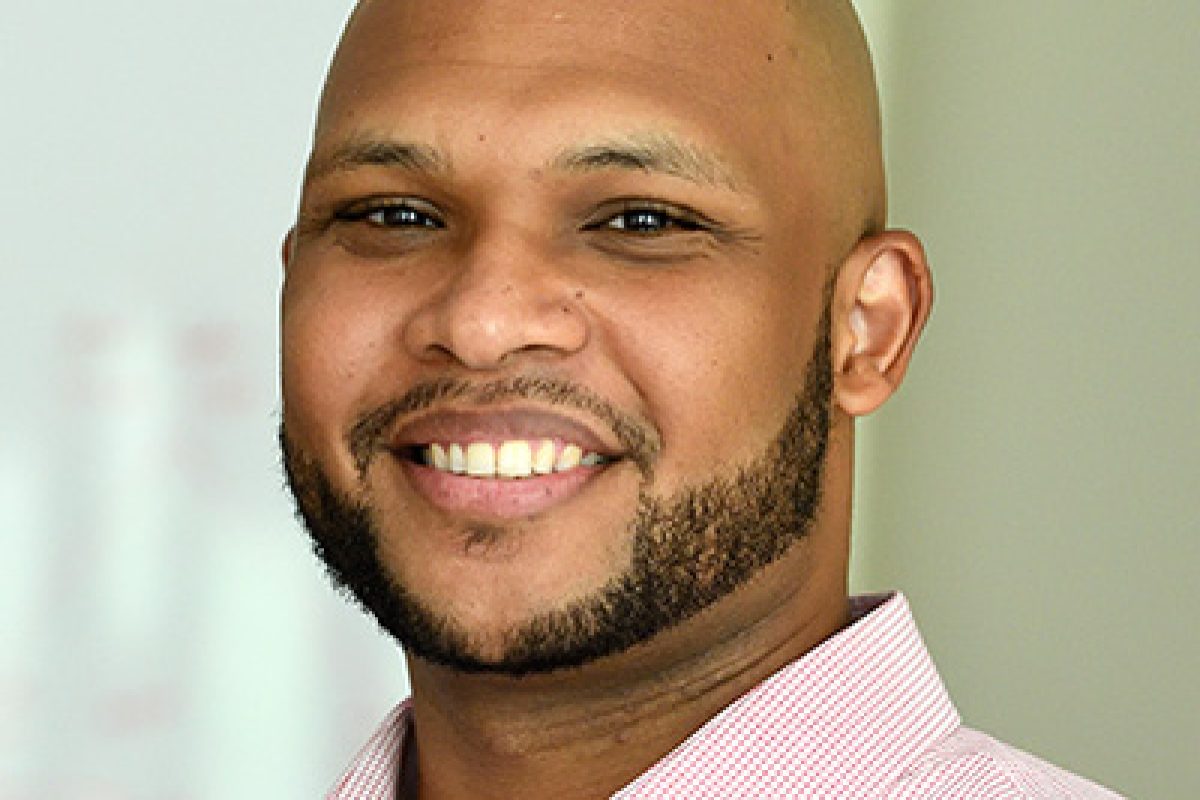
Jude Phillip

The Phillip lab focuses on Aging, with a key emphasis on how individual cells change during aging, in the context of health and disease. To accomplish this, the lab combines approaches in experimentation and computation/machine learning with the long-term goal of developing technologies for cellular reprogramming and precision medicine. The key model systems currently studied in the lab are immune aging, skin aging, and female reproductive aging/longevity.

Joel Sunshine

My research is centered around developing new techniques to better understand immunologic responses to skin cancers and the tumor immune microenvironment (TIME) and engineering new therapeutics to activate the anti-tumor immune response. My lab is focused developing new approaches to activate the anti-tumor immune response to skin cancer using micro- and nanoparticle formulations, with a specific focus on developing novel approaches using non-viral nucleic acid delivery systems. We have developed effective nanoparticle systems which can deliver plasmids or mRNA or siRNA to tumors and drive signal 2 and signal 3 expression and/or modulate additional downstream or upstream machinery locally, and are exploring the utility of that platform to treat aggressive skin cancers, locally or in combination with checkpoint immunotherapy. Additionally, to better understand the immune response to skin cancer in human tumors, we are using multiplex immunofluorescence (mIF), digital pathology, microdissection, and artificial intelligence to develop improved biomarkers of treatment response and resistance. We are working on better understanding the immunopathologic changes in the TIME in patients treated with immune checkpoint inhibition, rigorously testing our mIF biomarkers, and extending our work on superficial spreading melanoma to rare melanoma subtypes including acral melanoma.