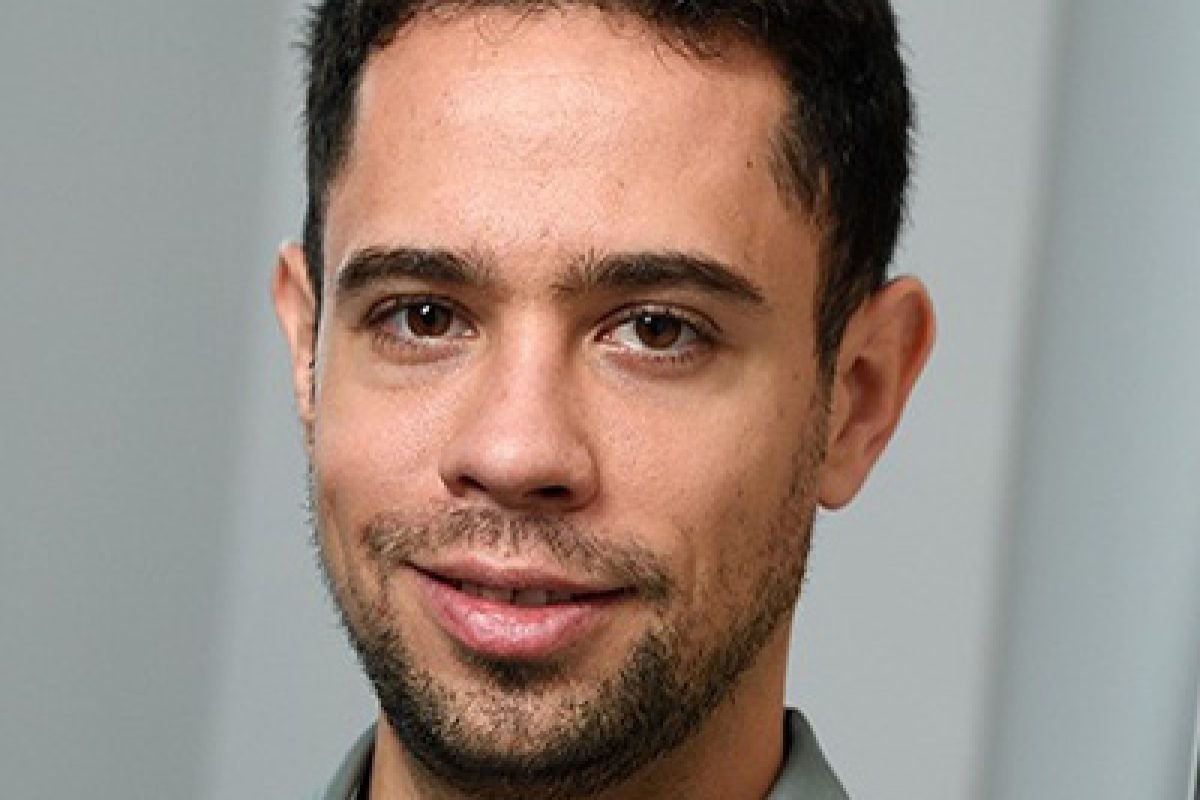
Jochen Mueller

The Mueller Lab specializes in developing advanced manufacturing solutions for soft and multifunctional materials, with a strong emphasis on Additive Manufacturing (AM), also known as 3D Printing. The AM processes developed in the lab are capable of handling biological materials, such as hydrogels and living cells, with high throughput speeds and high spatial resolution. This capability enables the creation of intricate constructs, including multifunctional scaffolds that mimic the extracellular matrix of human tissues. These constructs can integrate various functions, such as active stimulation and sensing, to facilitate the study of life mechanics and biophysical phenomena, including aging and diseases.
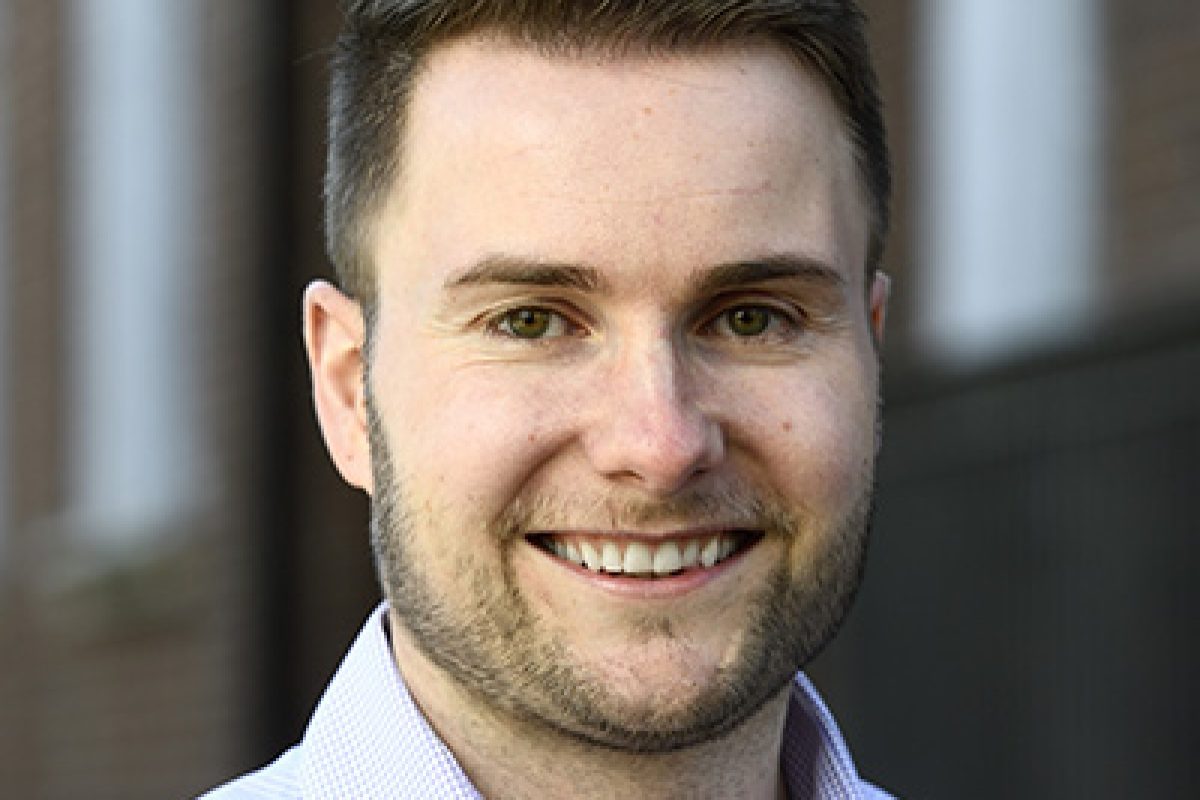
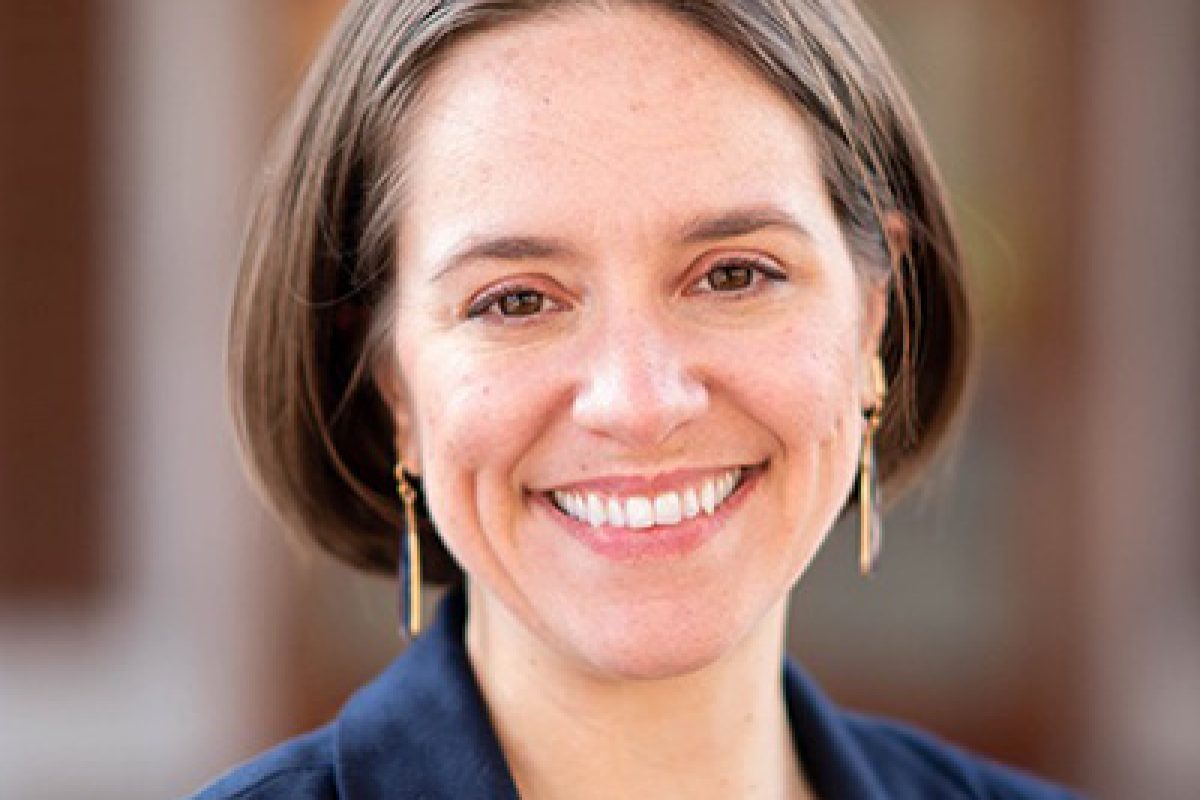
Jess Dunleavey

My research occurs in educational spaces to understand and improve the learning experience for students. Specifically, I direct laboratory courses that highlight cell engineering, tissue engineering, and immunoengineering for all levels of trainees at our institute including pre-college, undergraduate and graduate students. These studies ensure our earliest researchers and engineers are able to show technical proficiency in advanced cutting-edge research techniques, ethical and appropriate analytical interpretation of biological datasets, and scientific literacy to assess and present research products.

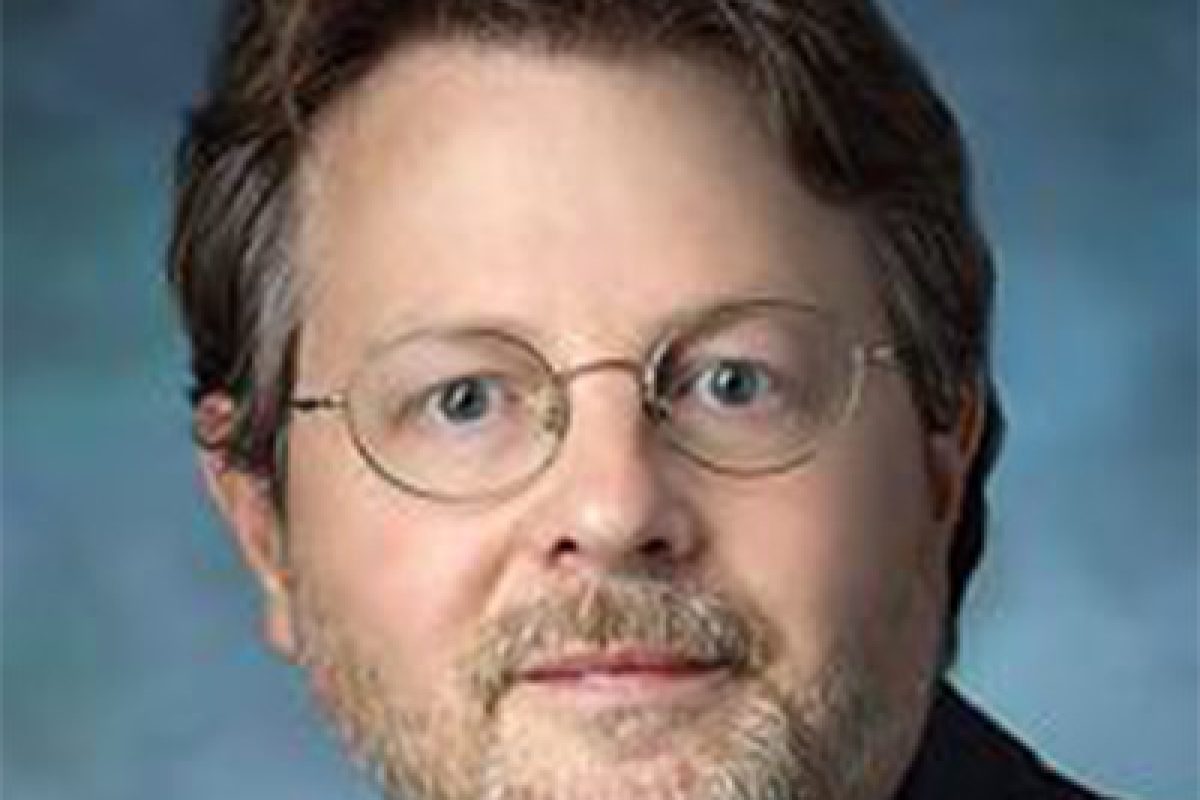
Jeremias Sulam

My research focuses on applied and theoretical machine learning for its application to biomedical sciences. I am interested in methods for the responsible use of machine learning in biomedical imaging, including the development algorithms that are robust, interpretable and fair. Moreover, my work leverages data-driven priors for biomedical image processing and computer vision problems, such as detection, classification, segmentation and image reconstruction and estimation. My contributions typically involve by the deployment of parsimonious priors for tasks in medical imaging, both analytically and in a data-driven manner, enabling the regularization of otherwise ill-posed problems. My group is interested in the development of interpretable machine learning predictors, which could be used for the discovery of biomarkers for disease prognosis and treatment response.

Jeff Mumm

The Mumm lab’s research is focused on investigating the development, function, and regeneration of neurons and neural circuits. Their long-term goal is to apply what they learn from a naturally regenerative species, the zebrafish, toward the development of novel therapies for restoring neural function to patients. They place an emphasis on unique perspectives zebrafish afford to the study of biology, such as in vivo time-lapse imaging of cellular behaviors and cell-cell interactions, and high-throughput chemical and genetic screening. They have pioneered several technologies to support this work including multicolor imaging of neural circuit formation, a selective cell ablation methodology, and a quantitative high-throughput phenotypic screening platform. Together, these approaches are providing novel insights into how the degeneration and regeneration of discrete neural cell types is controlled.

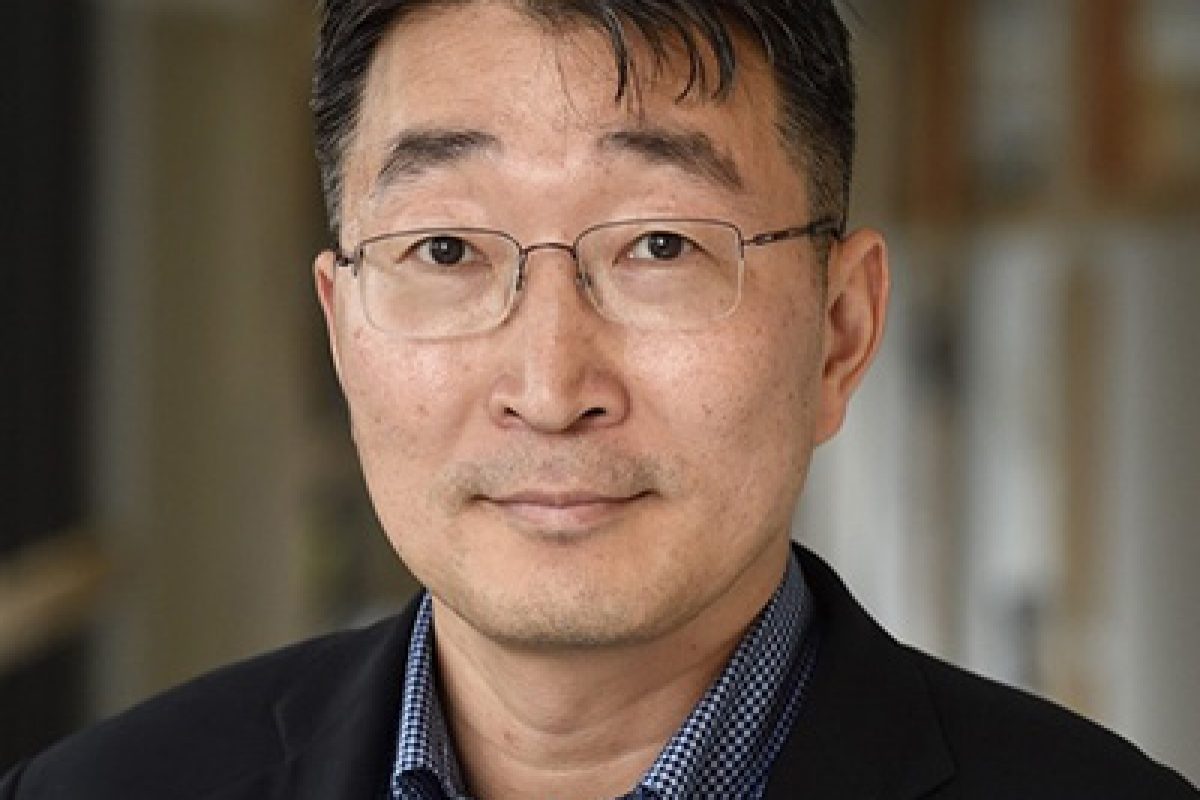
Deok-Ho Kim

My research focuses on the development and application of engineered biomaterials and human stem cell/tissue engineering technologies, including microfabricated tissues such as organ chips, organoids, and bio-printed tissues, for disease modeling, drug development, and precision medicine. By integrating AI and digital organ twin models with experimental human mini-organ twin models, we aim to develop more predictive human preclinical models for drug discovery and precision medicine. Additionally, my work integrates state-of-the-art multi-scale biomanufacturing techniques with advanced 3D tissue-engineered models of human disease, incorporating biosensors and AI/ML-enabled biosystems for clinically relevant functional analyses. The ultimate goal of my research is to better understand complex human disease biology in response to microenvironmental cues in normal, aging, and disease states, gaining new mechanistic insights into the control of cell-tissue structure and function, and developing multi-scale regenerative technologies for improving human health. I believe these efforts directly support TTEC’s mission to advance transformative technologies in the area of translational tissue engineering.”