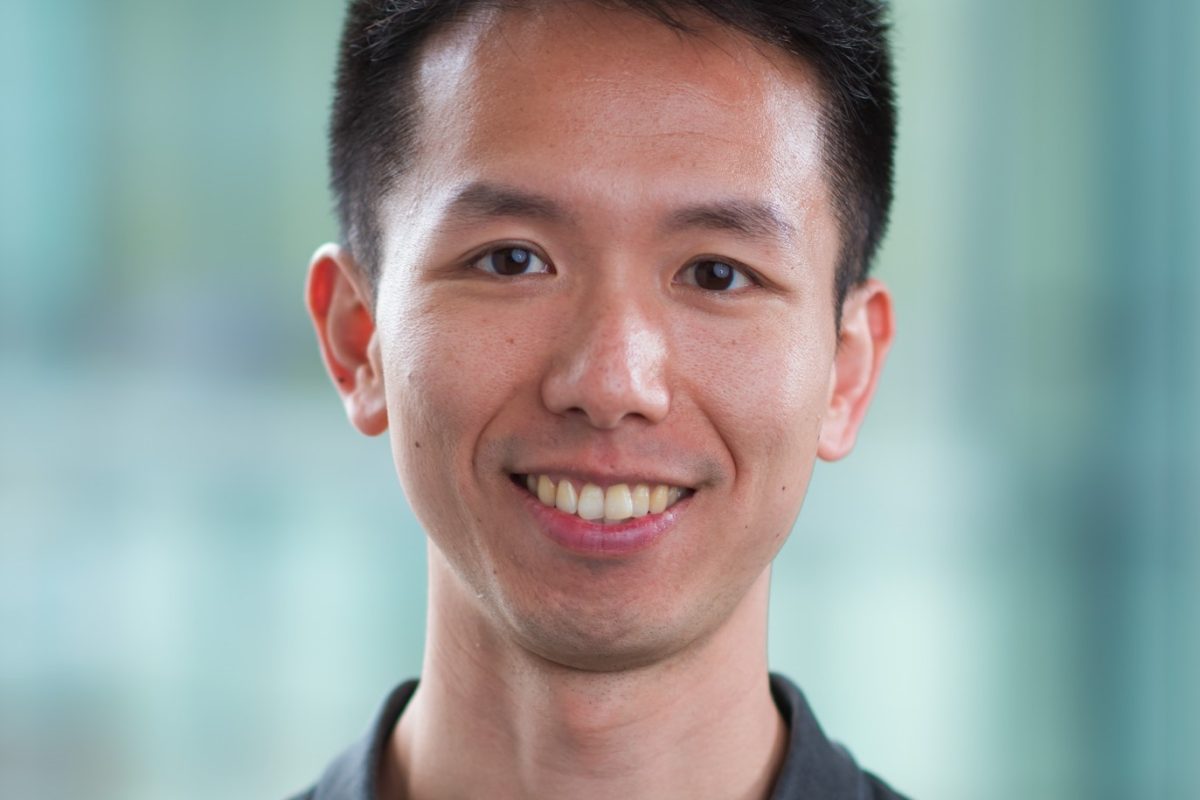
We build stem cell derived organoid systems to study human embryo development in the dish, focusing on the skeletal system including spine and limbs. With these advanced human organoids, we aim to model musculoskeletal diseases in vitro and advance tissue engineering to combat aging-associated diseases such as intervertebral disc degeneration and osteoarthritis
Tom Johnson III
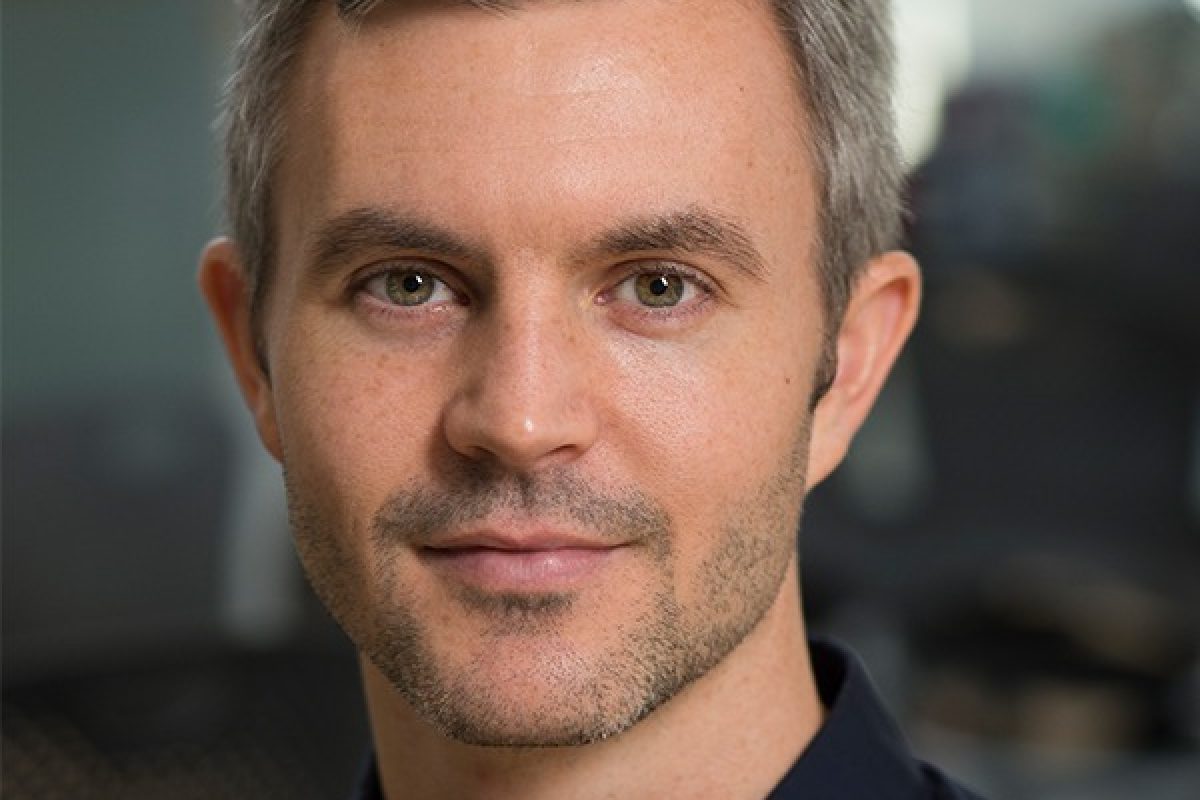
I am a clinician-scientist with no more than 25% effort devoted directly to patient care. My translational neuroscience laboratory investigates human stem cell-derived RGC transplantation as a potential treatment capable of restoring lost vision to patients with optic neuropathy. In addition, we are interested in optic neuropathy pathogenesis and neuroprotection. I also lead a clinical research program looking at the development of novel biomarker diagnostics for glaucoma, investigating the clinical role of remote tonometry in the management of glaucoma, and hopefully soon we will have some glaucoma neuroprotection clinical trials running at Wilmer.
Nicholas Durr
My research aligns with the TTEC pillars and themes in several ways. My group is developing new intravital microscopy technologies to non-invasively visualize cellular and subcellular processes in 3D. For example, we are imaging white blood cells in human and mouse studies and measuring their adhesion and biomechanics properties in-vivo. These data can characterize inflammation, the immune system, and intriguing novel biomarkers for aging. We are also developing digital twin models to generate synthetic data for training deep learning networks to classify blood cells in microscopy, critical anatomical structures in surgical laparoscopy videos, and precancerous lesions in colonoscopy videos. The two pillars we have expertise in are Imaging and AI.
Xiao Yang
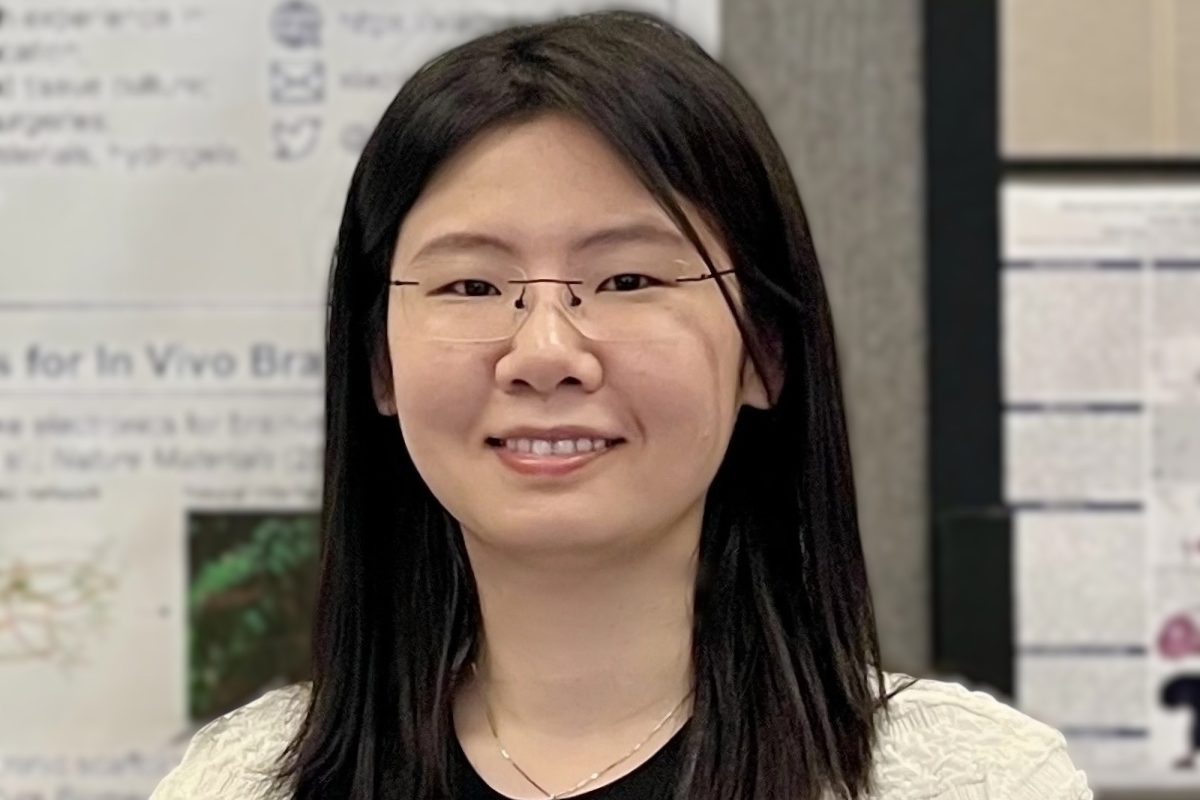
Bioelectronic devices are important as fundamental research tools for probing and understanding the brain with high spatiotemporal resolution, and as potential therapeutic avenues for treating brain diseases, disorders, and injuries. The Yang Lab aims to develop novel bioelectronics and biomaterials for brain-machine interfaces, regenerative medicine, and the study of human neural development and diseases. We drew inspiration from biological systems and art forms to design and develop a series of bio-inspired and art-inspired bioelectronics. Our studies encompass neural probes for in vivo brain-machine interface, electronic scaffolds for brain repair, and platforms for detecting human genetic diseases and tracking human neural development using human brain organoids. Our research integrates with TTEC’s core themes, including tissue engineering, sensing and imaging, advanced biomanufacturing, and disease modeling.

Ji Yi
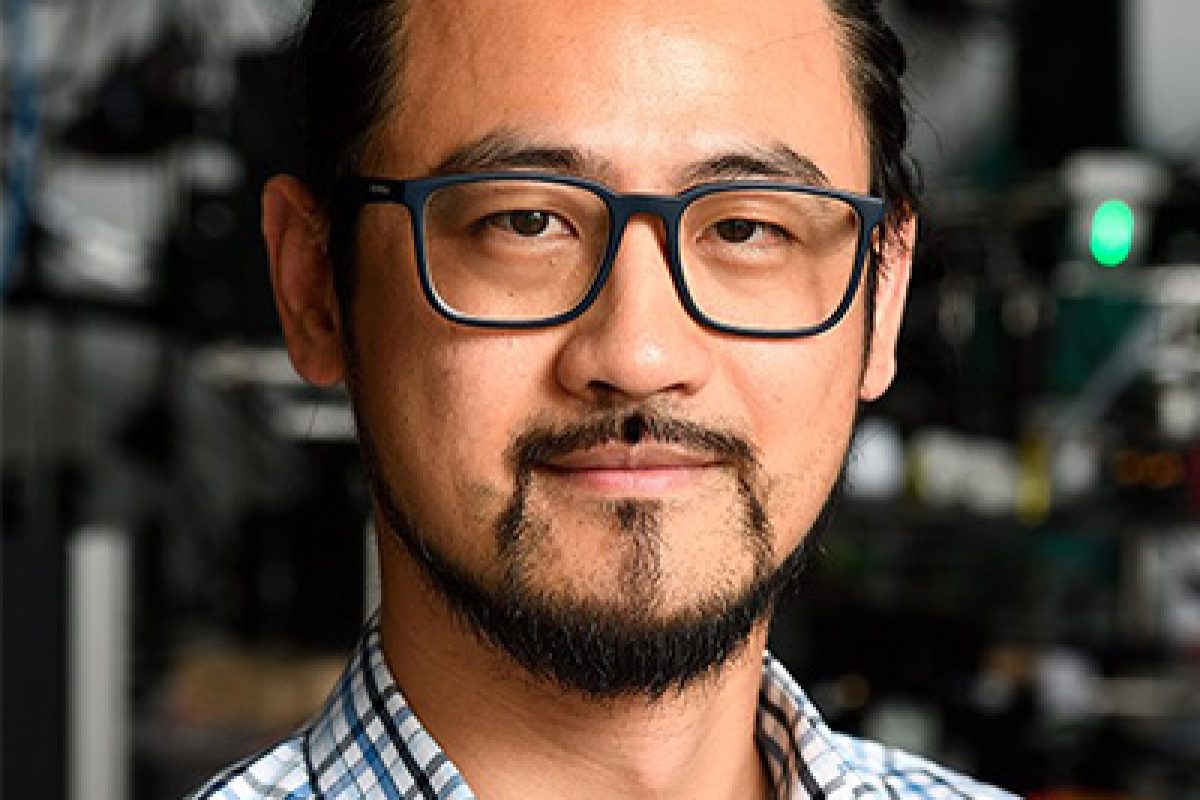
Dr. Ji Yi led a Biophotonics lab to develop cutting-edge optical imaging methods to characterize complex biological tissues. The lab strives for high-speed, large scale volumetric reconstruction of dynamics systems, to characterize, phenotype, and reveal the fundamental mechanisms underlying development and pathology. Using real-time imaging, Dr.Yi’s lab integrates seamlessly with TTEC by quantifying structural and functional integration of tissue and cell engineering approaches in native tissues for regeneration or repair.