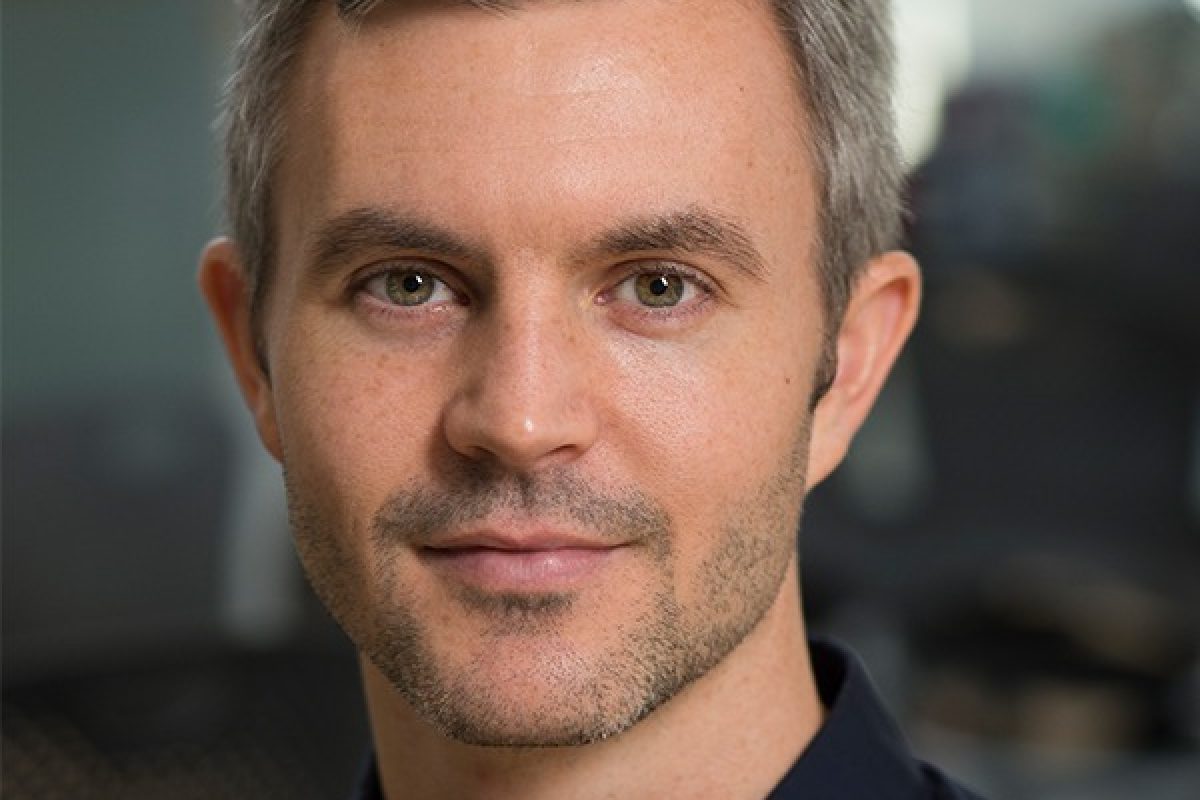
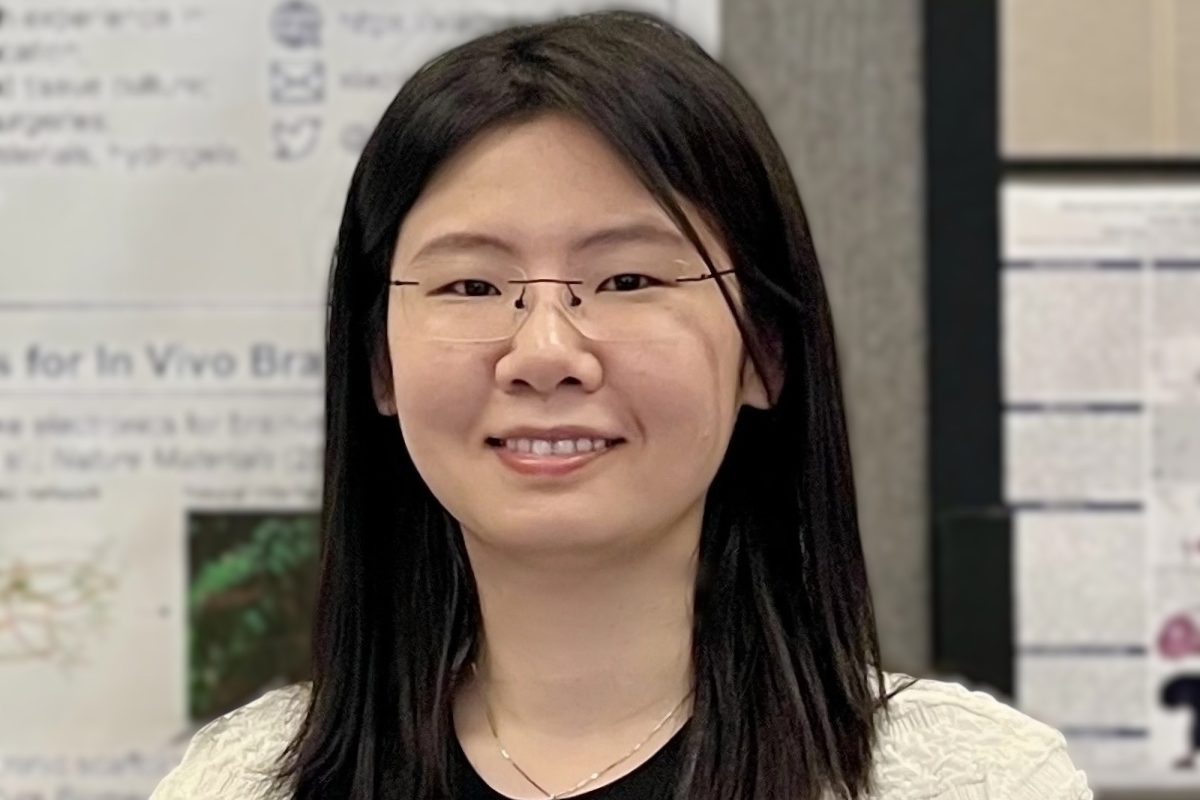
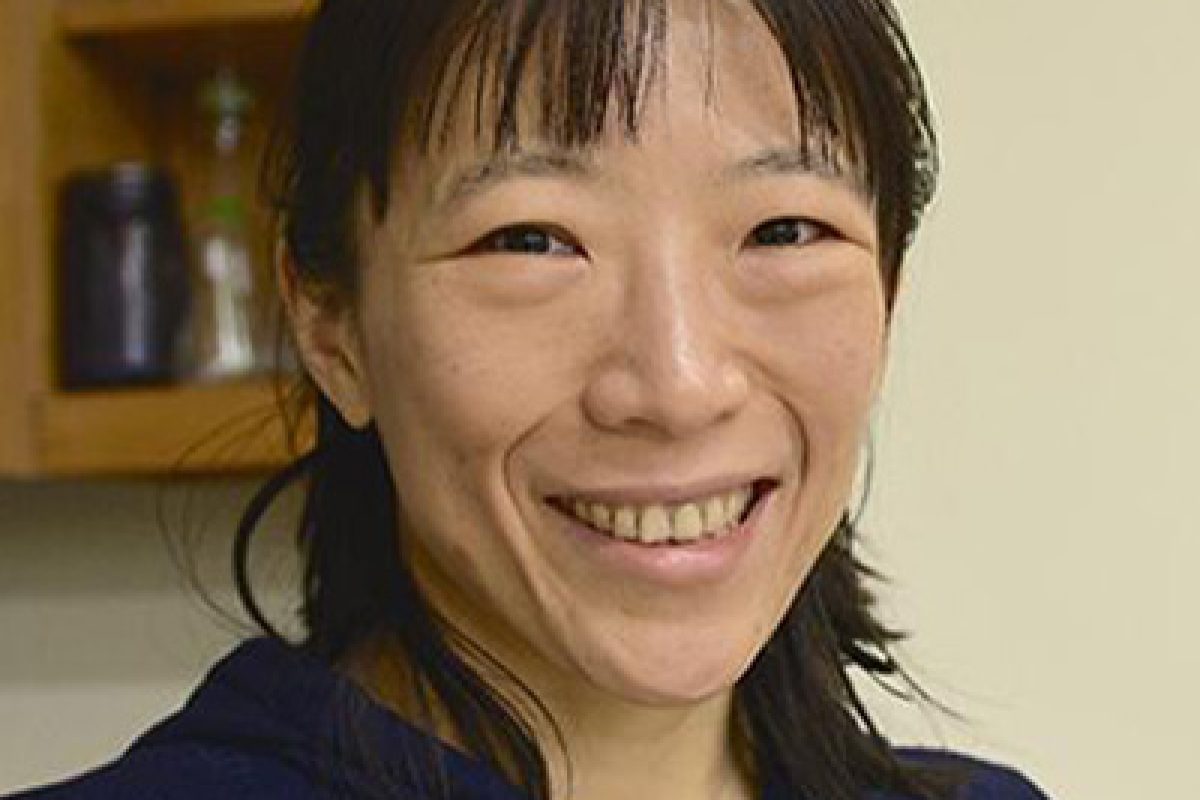
Wojtek Zbijewski

Wojtek Zbijewski is an Associate Professor at JHU Biomedical Engineering with over 15 years of experience in medical imaging technology, in particular in x-ray-based modalities – radiography, tomosynthesis, CT, micro-CT, and cone-beam CT. The research at his QuantIS lab uses advanced computer modeling and benchtop experiments to optimize imaging systems and algorithms for quantitative applications, focusing on orthopedics and pulmonology. His interests also include computational techniques to extract diagnostic information from image data, such as radiomics and shape analysis. The quantitative imaging technologies developed by Dr. Zbijewski are applicable to longitudinal evaluation of tissue engineering therapies in animal and human studies.
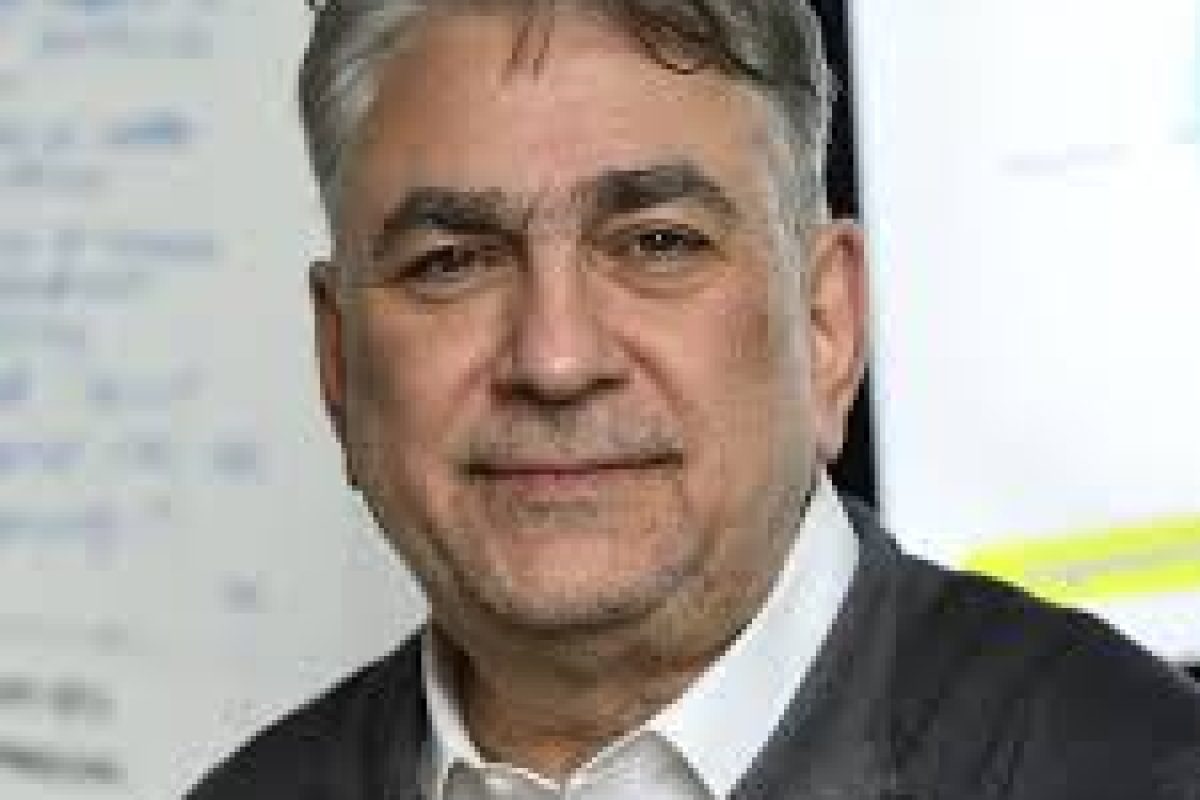
Youseph Yazdi

Dr Yazdi’s focus and expertise is on early-stage healthcare innovation.  He has over 30 years of experience in academia and industry in research, invention, product development, investment, and strategy all focused on medical devices.  Dr Yazdi received the BS degree in Electrical and Computer Engineering from Rice University, a MSE in Ultrasonics from UT-Austin, his PhD in Biophotonics from UT-Austin, and his MBA in Entrepreneurial Management from the Wharton School of Business at UPenn.  Most of his career has been in industry, at Johnson & Johnson, in R&D, Business Development, and as Corporate Director, Science & Technology. Dr Yazdi joined the faculty of Johns Hopkins School of Medicine in 2009 as head of the Johns Hopkins Center for Bioeng. Innovation & Design (CBID), and is also Associate Professor in the Department of Biomedical Engineering.

Nicholas Durr

My research aligns with the TTEC pillars and themes in several ways. My group is developing new intravital microscopy technologies to non-invasively visualize cellular and subcellular processes in 3D. For example, we are imaging white blood cells in human and mouse studies and measuring their adhesion and biomechanics properties in-vivo. These data can characterize inflammation, the immune system, and intriguing novel biomarkers for aging. We are also developing digital twin models to generate synthetic data for training deep learning networks to classify blood cells in microscopy, critical anatomical structures in surgical laparoscopy videos, and precancerous lesions in colonoscopy videos. The two pillars we have expertise in are Imaging and AI.

Xiao Yang

Bioelectronic devices are important as fundamental research tools for probing and understanding the brain with high spatiotemporal resolution, and as potential therapeutic avenues for treating brain diseases, disorders, and injuries. The Yang Lab aims to develop novel bioelectronics and biomaterials for brain-machine interfaces, regenerative medicine, and the study of human neural development and diseases. We drew inspiration from biological systems and art forms to design and develop a series of bio-inspired and art-inspired bioelectronics. Our studies encompass neural probes for in vivo brain-machine interface, electronic scaffolds for brain repair, and platforms for detecting human genetic diseases and tracking human neural development using human brain organoids. Our research integrates with TTEC’s core themes, including tissue engineering, sensing and imaging, advanced biomanufacturing, and disease modeling.

Yun Chen

Dr. Chen’s current research is focused in the following three areas: [1] Developing tools to measure key parameters in mechanobiology; [2] Understanding the fundamental biophysical mechanisms that contribute to diseases and aging process; [3] Applying knowledge gained from basic mechanobiology research to clinical applications. The three research foci are interconnected: we develop measurement tools to quantitatively characterize biophysical phenomena, such as axial stiffness of twisted DNA strands, differential force generation profiles and viscoelasticity of diseased and senescent cells compared to their normal counterparts, and identify the underlying mechanisms for such difference, which can be exploited for disease diagnosis, treatment and manufacturing biomaterials to repair or replace damaged tissues due to aging and/or pathologies.