Joel Sunshine

My research is centered around developing new techniques to better understand immunologic responses to skin cancers and the tumor immune microenvironment (TIME) and engineering new therapeutics to activate the anti-tumor immune response. My lab is focused developing new approaches to activate the anti-tumor immune response to skin cancer using micro- and nanoparticle formulations, with a specific focus on developing novel approaches using non-viral nucleic acid delivery systems. We have developed effective nanoparticle systems which can deliver plasmids or mRNA or siRNA to tumors and drive signal 2 and signal 3 expression and/or modulate additional downstream or upstream machinery locally, and are exploring the utility of that platform to treat aggressive skin cancers, locally or in combination with checkpoint immunotherapy. Additionally, to better understand the immune response to skin cancer in human tumors, we are using multiplex immunofluorescence (mIF), digital pathology, microdissection, and artificial intelligence to develop improved biomarkers of treatment response and resistance. We are working on better understanding the immunopathologic changes in the TIME in patients treated with immune checkpoint inhibition, rigorously testing our mIF biomarkers, and extending our work on superficial spreading melanoma to rare melanoma subtypes including acral melanoma.
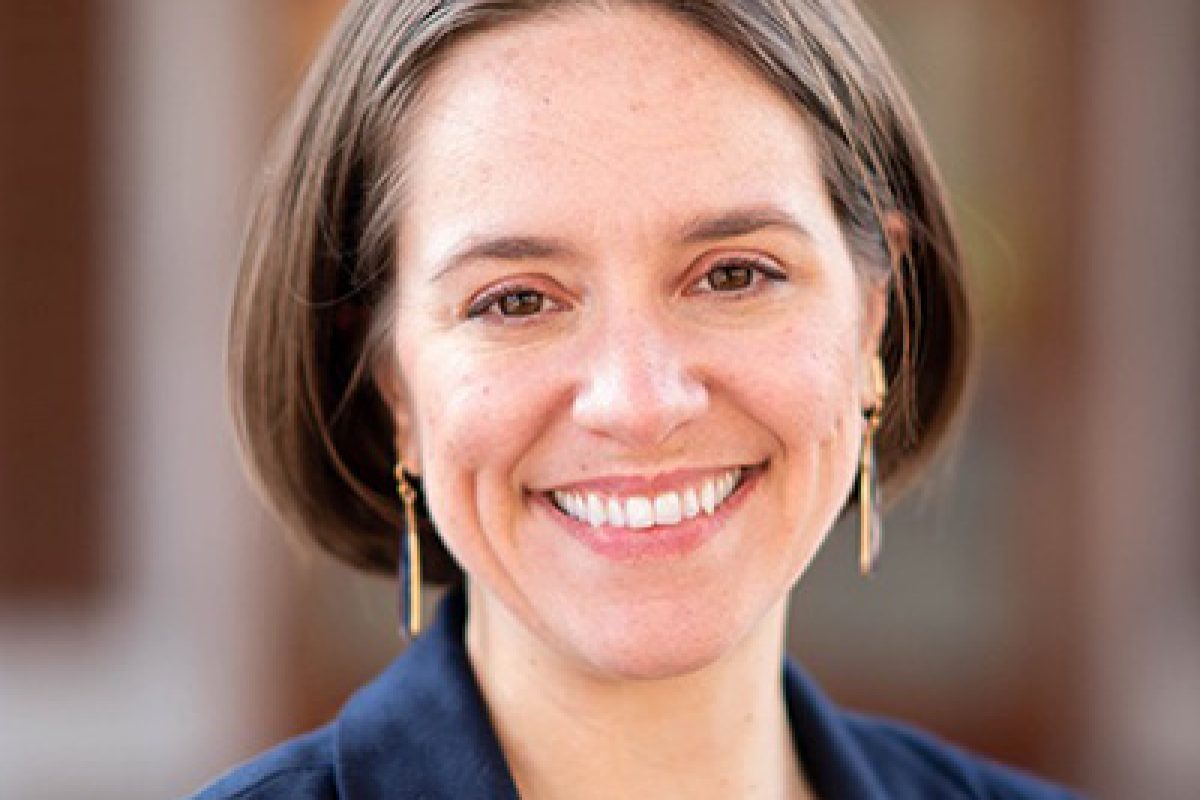
Jess Dunleavey

My research occurs in educational spaces to understand and improve the learning experience for students. Specifically, I direct laboratory courses that highlight cell engineering, tissue engineering, and immunoengineering for all levels of trainees at our institute including pre-college, undergraduate and graduate students. These studies ensure our earliest researchers and engineers are able to show technical proficiency in advanced cutting-edge research techniques, ethical and appropriate analytical interpretation of biological datasets, and scientific literacy to assess and present research products.

Jeremias Sulam

My research focuses on applied and theoretical machine learning for its application to biomedical sciences. I am interested in methods for the responsible use of machine learning in biomedical imaging, including the development algorithms that are robust, interpretable and fair. Moreover, my work leverages data-driven priors for biomedical image processing and computer vision problems, such as detection, classification, segmentation and image reconstruction and estimation. My contributions typically involve by the deployment of parsimonious priors for tasks in medical imaging, both analytically and in a data-driven manner, enabling the regularization of otherwise ill-posed problems. My group is interested in the development of interpretable machine learning predictors, which could be used for the discovery of biomarkers for disease prognosis and treatment response.

Deok-Ho Kim

My research focuses on the development and application of engineered biomaterials and human stem cell/tissue engineering technologies, including microfabricated tissues such as organ chips, organoids, and bio-printed tissues, for disease modeling, drug development, and precision medicine. By integrating AI and digital organ twin models with experimental human mini-organ twin models, we aim to develop more predictive human preclinical models for drug discovery and precision medicine. Additionally, my work integrates state-of-the-art multi-scale biomanufacturing techniques with advanced 3D tissue-engineered models of human disease, incorporating biosensors and AI/ML-enabled biosystems for clinically relevant functional analyses. The ultimate goal of my research is to better understand complex human disease biology in response to microenvironmental cues in normal, aging, and disease states, gaining new mechanistic insights into the control of cell-tissue structure and function, and developing multi-scale regenerative technologies for improving human health. I believe these efforts directly support TTEC’s mission to advance transformative technologies in the area of translational tissue engineering.”

Arvind Pathak

Dr. Pathak directs the Laboratory for Image-based Systems Biology, which works at the interface of engineering, medicine, and design to develop new hardware, software and “wetware” tools for basic and translational applications in tissue engineering and cancer. For the past several years he has collaborated with Dr. Grayson to spearhead the new field of “image-informed biomanufacturing” for tissue engineering applications. These efforts have included the development of novel in vivo and ex vivo imaging tools to acquire data to “inform” the design and deployment of more efficacious biomaterials for eventual clinical translation. More recently, he is collaborating with Dr. Grayson and other investigators to harness imaging and sensing technologies in health and disease models for applications in the Digital Twin (DT) and Precision Medicine (PM) space. Dr. Pathak has a long track record of leveraging in vitro, ex vivo, and in vivo imaging techniques for clinical biomarker development for cancer and other diseases. This includes multiscale imaging technologies and time-resolved characterization of disease evolution in vivo, all of which are critical for establishing the feasibility of DTs in the preclinical space. Dr. Pathak and his team are also leveraging cutting-edge miniaturized microscopy methods to characterize neurovascular changes longitudinally in preclinical models of brain aging. These approaches represent the first time that changes in multiple physiological variables can be measured continuously in vivo, over the lifetime of the aging model. These nascent studies have the potential to revolutionize our understanding of aging and its effects on the brain and other tissues. Finally, Dr. Pathak and his team are leveraging imaging-based artificial intelligence (AI) approaches to generate predictive models of engraftment success and biomaterial efficacy in vivo. Collectively, the imaging and computational tools that Dr. Pathak and his team are developing are synergistic with all the “Pillars” and “Horizontals” proposed in TTEC’s strategic plan for “Adaptive Therapeutics”, which make him an excellent fit as an affiliate faculty member of our Center.