My research focuses on the development of biodegradable materials for bone fixation, bone defects, arterial stents, and drug delivery with a particular emphasis on orthopedic applications and biodegradable Mg alloys.
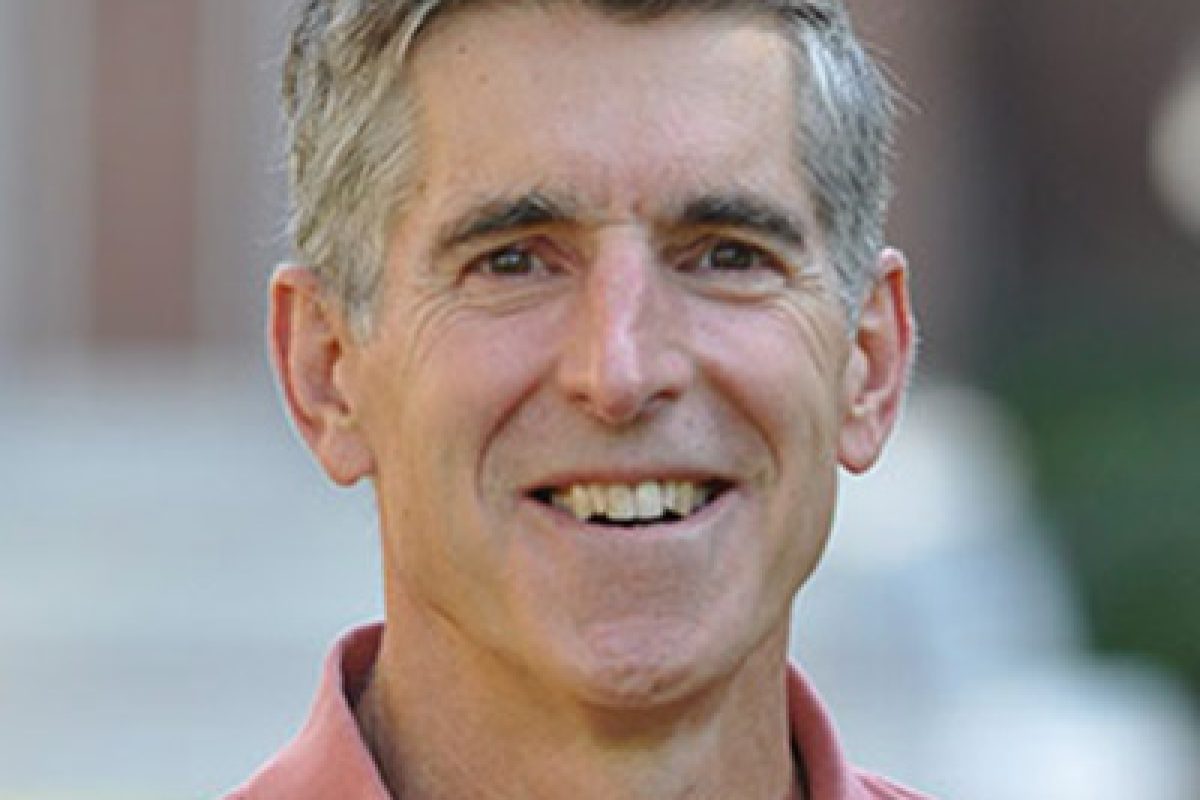

My research focuses on the development of biodegradable materials for bone fixation, bone defects, arterial stents, and drug delivery with a particular emphasis on orthopedic applications and biodegradable Mg alloys.
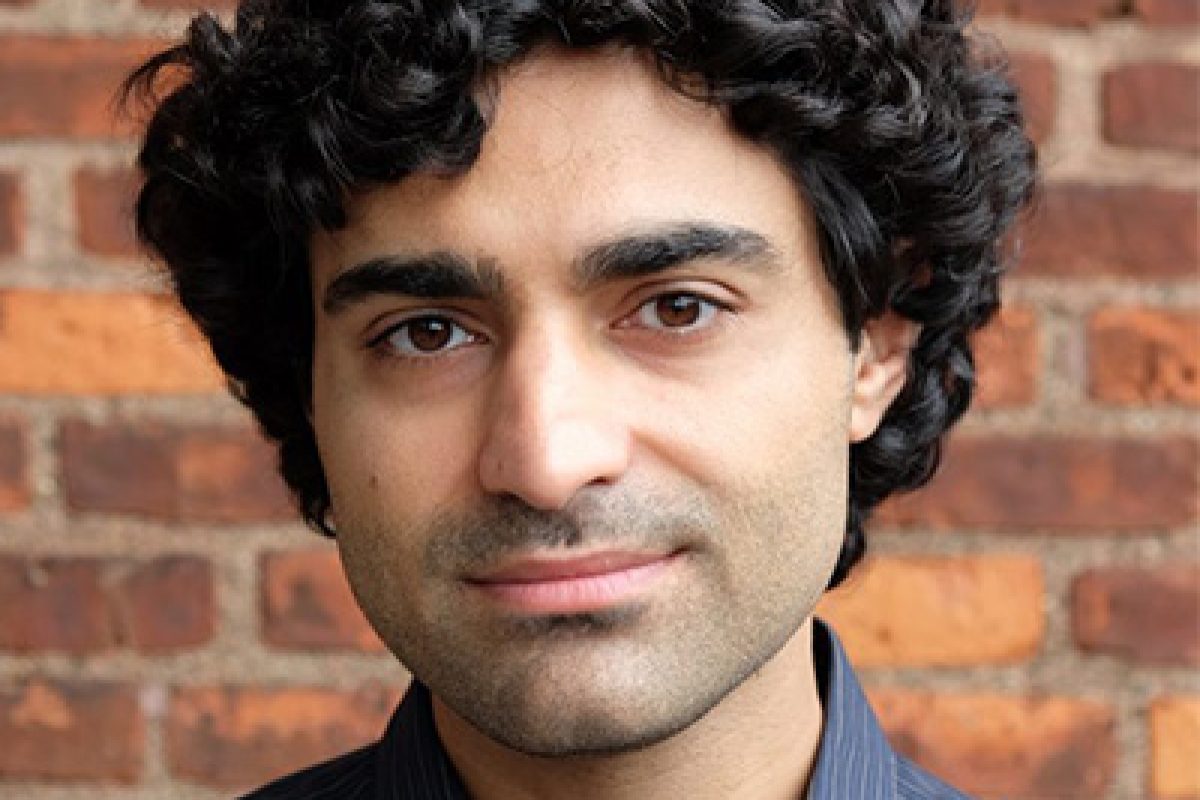
The Kalhor lab seeks to understand how genetic and environmental factors alter cell fate in development to affect adult phenotype or cause diseases. We develop: (A) molecular technologies for mapping and engineering cell fate decisions, (B) spatial and single-cell sequencing strategies to characterize the spatiotemporal changes of tissues during development, and (C) computational methods to reconstruct developmental processes by integrating genomically recorded and spatially extracted information. These approaches synergize with the foundational pillars of TTEC to characterize and engineer cell and tissue behavior to advance healthy aging, precision medicine, and disease modeling.
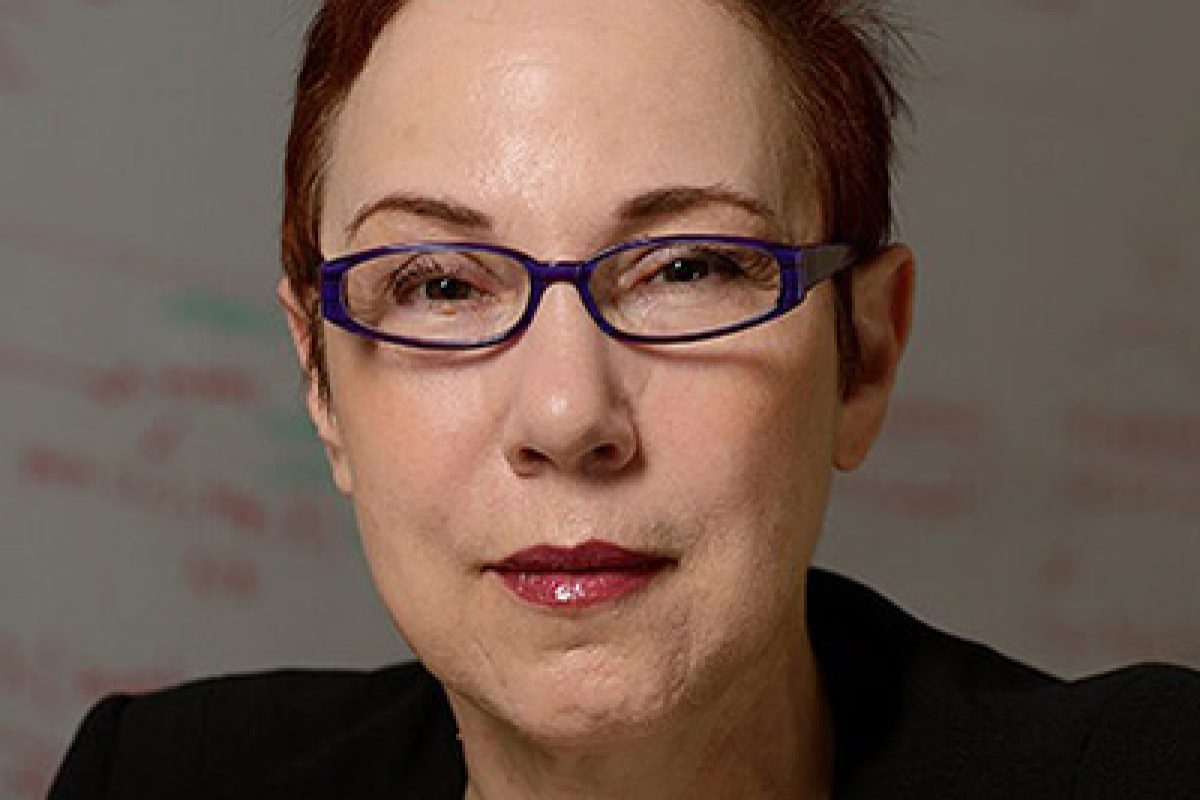
The Karchin lab is developing on AI approaches to neoantigen prediction, including its relevance for vaccine design, TCR repertoire modeling, and spatial approaches to tumor and TCR clonal evolution. These projects overlap with TTEC’s interests in Immuno engineering and single cell/spatial transcriptomics.
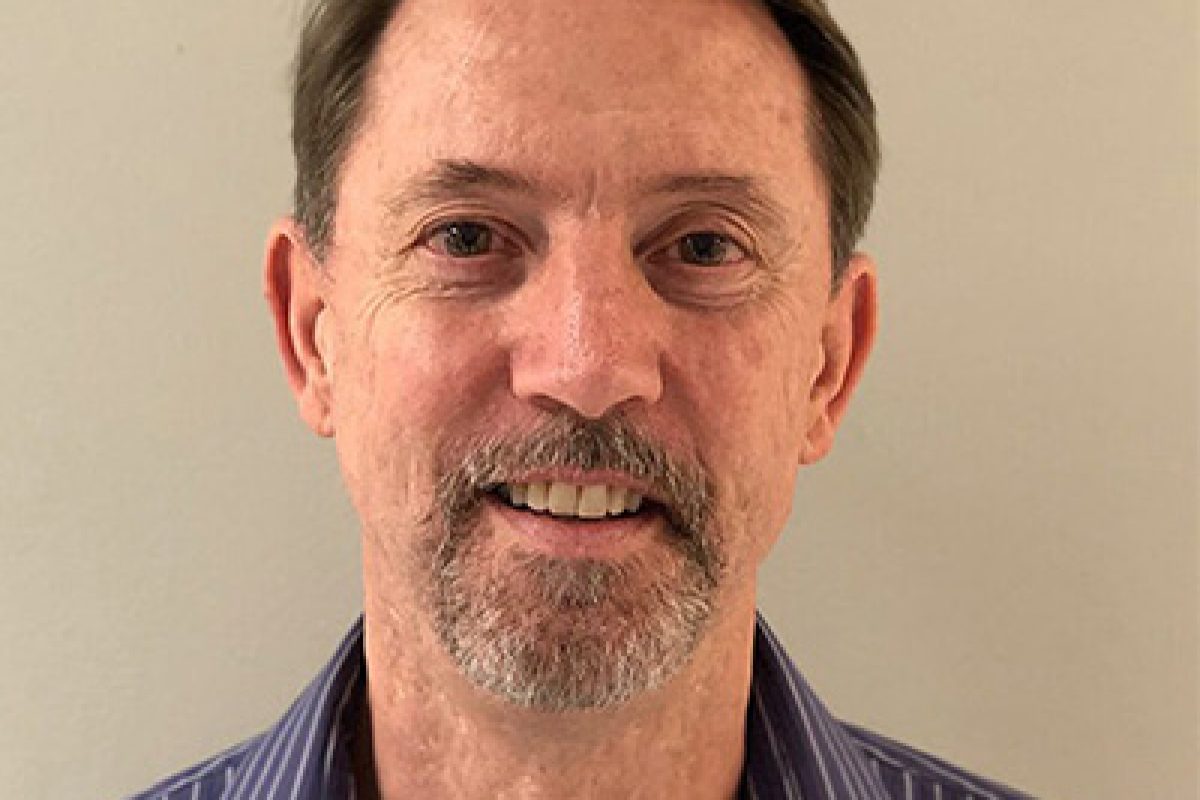
Dr. Boheler is a cardiovascular researcher with over 20 years of experience in Aging Research and over 25 years of experience in pluripotent stem cell biology. He has extensive expertise in the creation of human pluripotent stem cell (hiPSC) lines to model diseases such as Arrhythmogenic Cardiomyopathy, Marfan Syndrome, and vascular Ehlers-Danlos Syndrome. Coupled with the hiPSC derivatives are tissue engineered systems which are employed to study cell biology and mechanics. He is also a leader in the use of cell surface capture technologies and proteomics to study the surfaceome of in vitro differentiated cells, the results of which have proved informative of some normal and disease states, as well as for the development of markers for cell types and maturation.
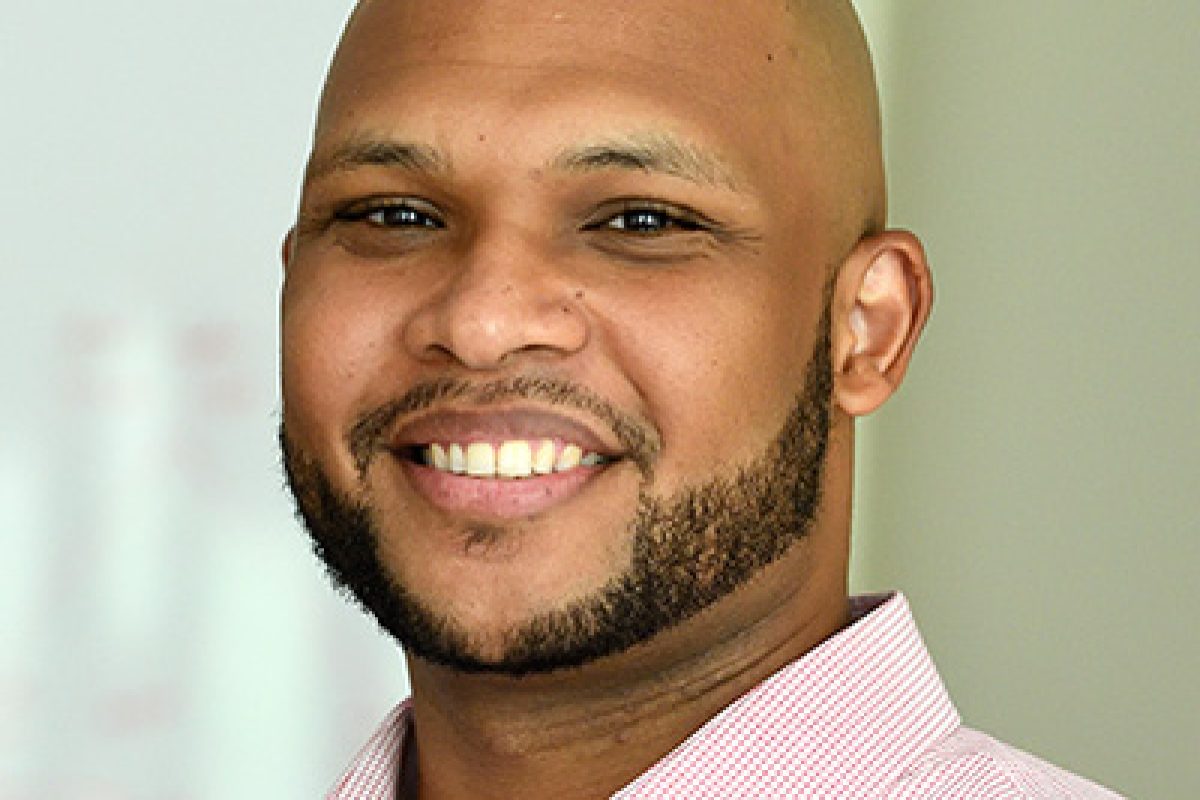
The Phillip lab focuses on Aging, with a key emphasis on how individual cells change during aging, in the context of health and disease. To accomplish this, the lab combines approaches in experimentation and computation/machine learning with the long-term goal of developing technologies for cellular reprogramming and precision medicine. The key model systems currently studied in the lab are immune aging, skin aging, and female reproductive aging/longevity.