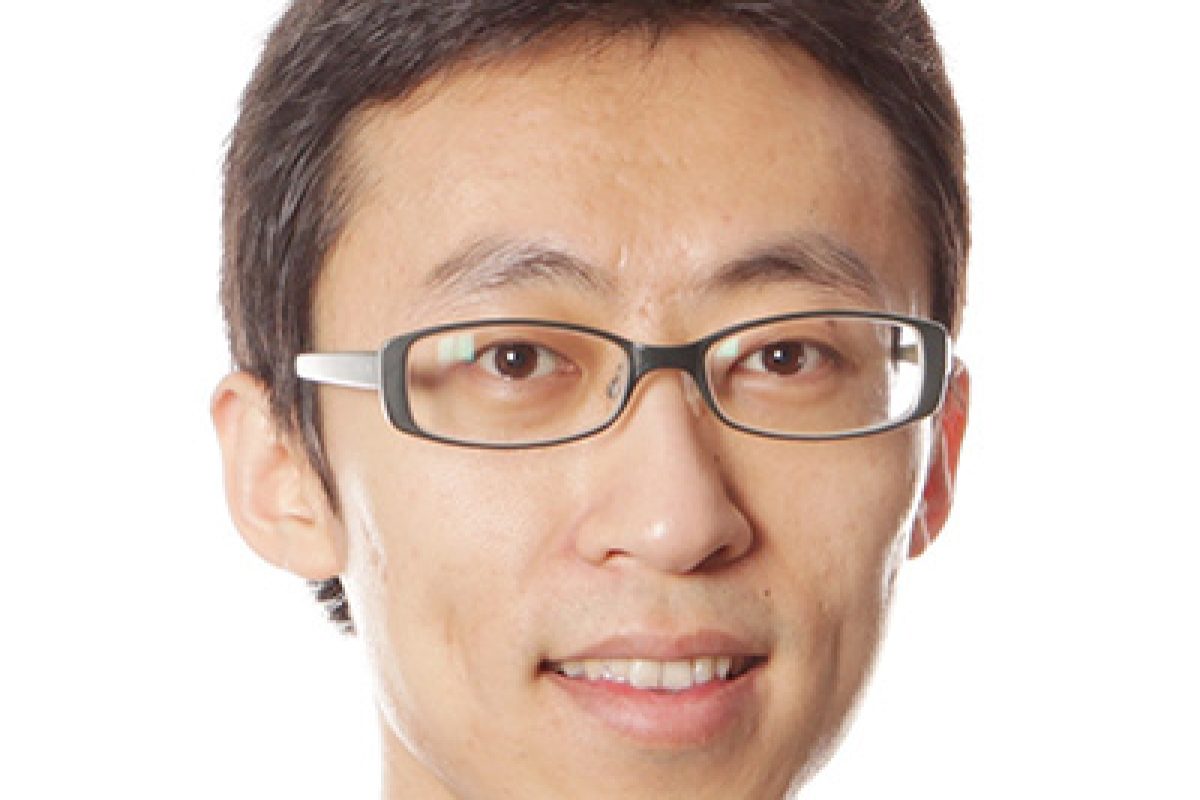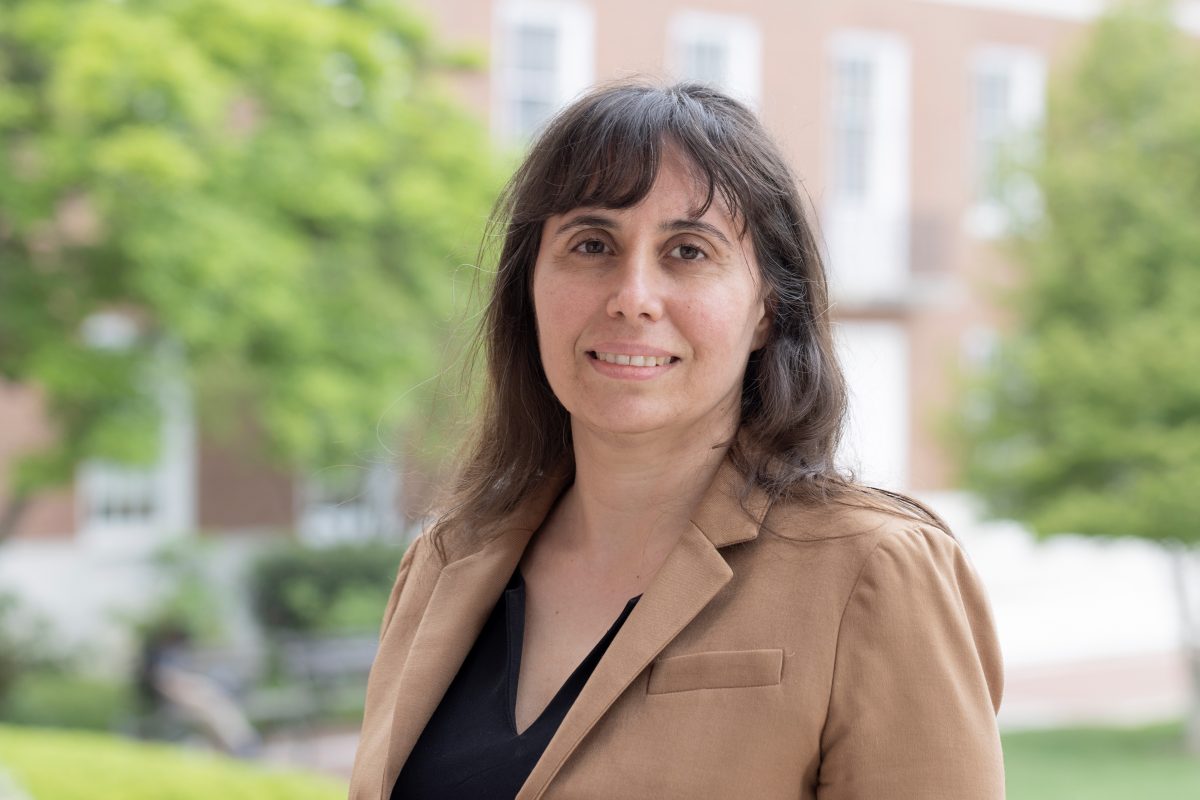
Rebecca Schulman

The Schulman group is developing molecular biosensor-based technologies for in situ sensing of the spatiotemporal dynamics of soluble proteins throughout a cell culture matrix or organoid. These technologies are designed to be multiplexed and appropriate for high-throughput screening.  The Schulman group also is developing molecular biosensors for measuring local mechanical modulus.

Her group also develops biomaterials for integrated sensing and spatiotemporally controlled protein release as well as mechanisms to modulate biomaterial mechanics and density in situ.  An overall technology goal is the development of systems for closed-loop feedback control of the biochemical and mechanical developmental niche.

Techniques: In vitro synthetic biology, biochemistry, imaging/longitudinal analysis, optimization/learning, hydrogel design and fabrication.
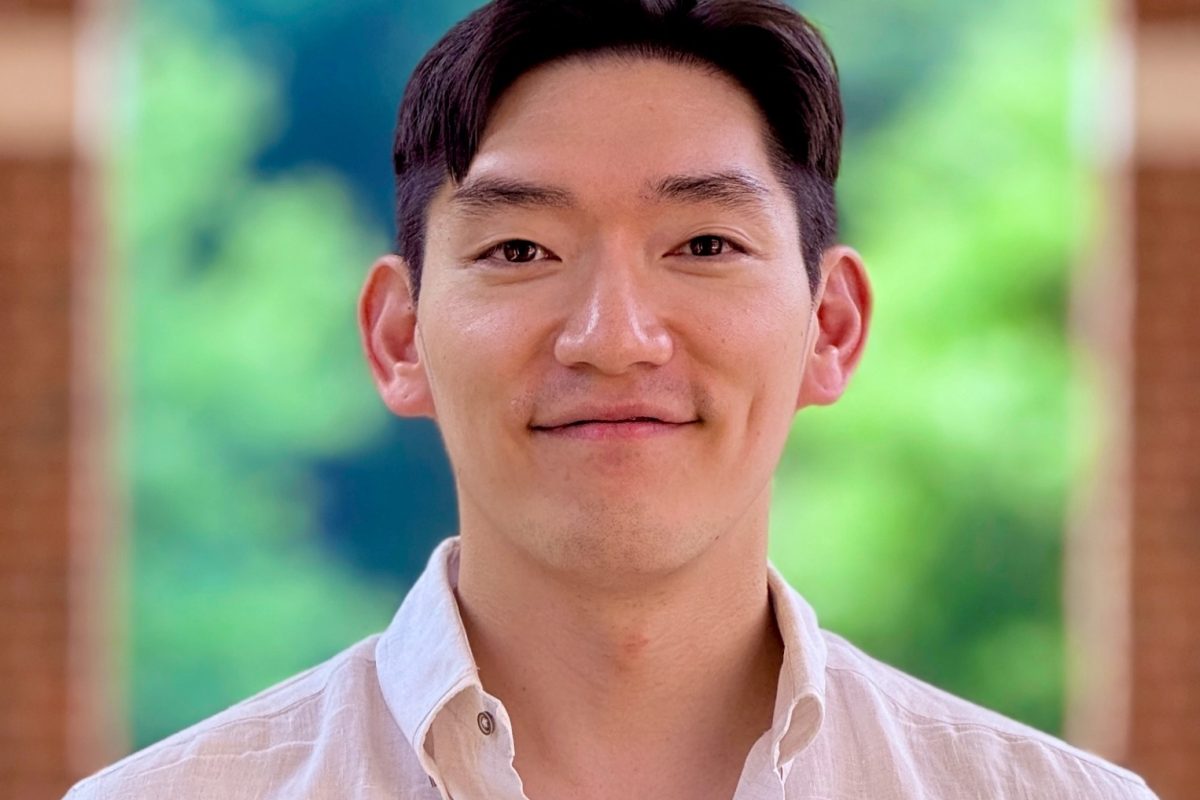
Sangkyun Cho

My lab works at the intersection of stem cell biology, organoid engineering/bioprinting, and mechanobiology, with a particular focus on cardiovascular fibrosis and regenerative medicine. These efforts are well-aligned with TTREC’s foundational pillars in cell and tissue engineering and biomaterials, and they intersect with several of the Center’s cross-cutting themes, including disease modeling, healthy aging, and precision medicine. We are also deeply interested in leveraging proteomics and single-cell/spatial multi-omics to investigate the mechanisms by which stromal cells communicate dynamically with immune cells during disease and tissue repair, so I see many opportunities for synergistic collaboration in the immune engineering space as well.

Yun Chen

Dr. Chen’s current research is focused in the following three areas: [1] Developing tools to measure key parameters in mechanobiology; [2] Understanding the fundamental biophysical mechanisms that contribute to diseases and aging process; [3] Applying knowledge gained from basic mechanobiology research to clinical applications. The three research foci are interconnected: we develop measurement tools to quantitatively characterize biophysical phenomena, such as axial stiffness of twisted DNA strands, differential force generation profiles and viscoelasticity of diseased and senescent cells compared to their normal counterparts, and identify the underlying mechanisms for such difference, which can be exploited for disease diagnosis, treatment and manufacturing biomaterials to repair or replace damaged tissues due to aging and/or pathologies.

Tim Weihs

My research focuses on the development of biodegradable materials for bone fixation, bone defects, arterial stents, and drug delivery with a particular emphasis on orthopedic applications and biodegradable Mg alloys.

Luo Gu

The Gu laboratory studies how cells sense and respond to the mechanical and biochemical cues from their microenvironment. The findings from these studies are then used to design and create new biomaterials that provide desirable signals to direct cell behavior and function for applications in tissue engineering, cell therapy manufacturing, and immunoengineering.