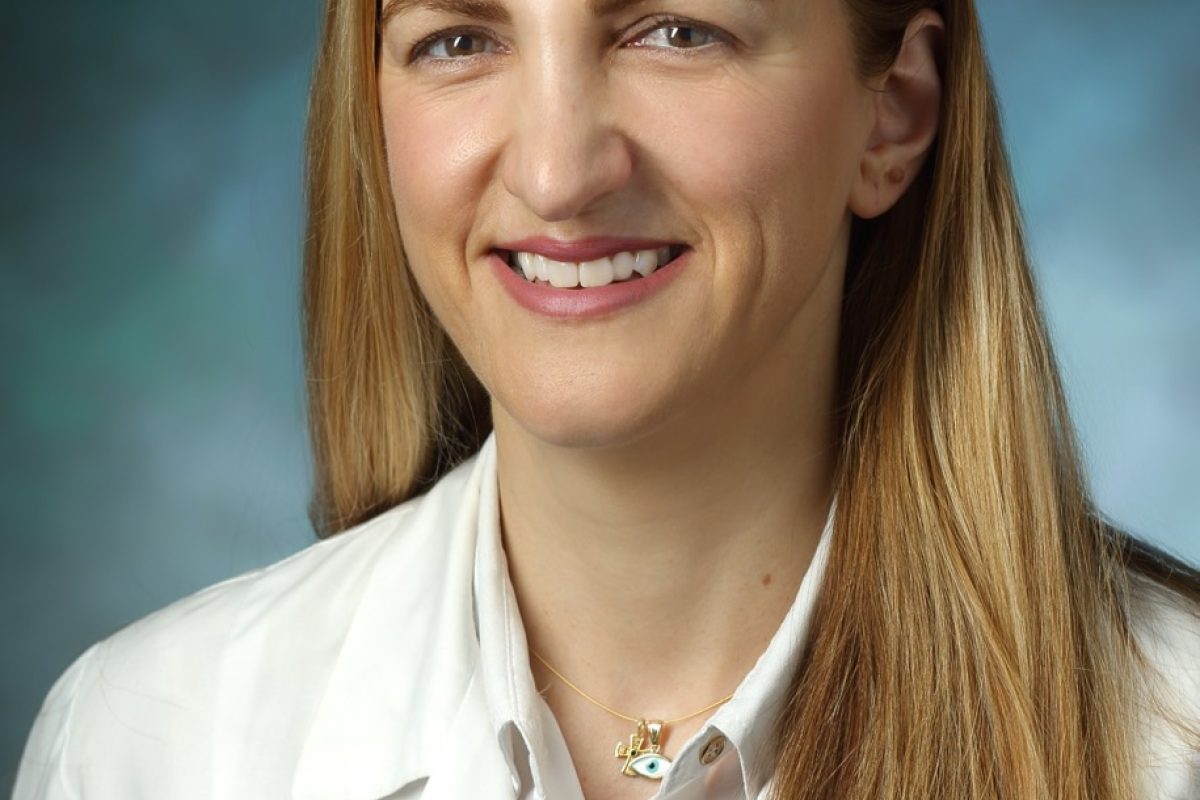
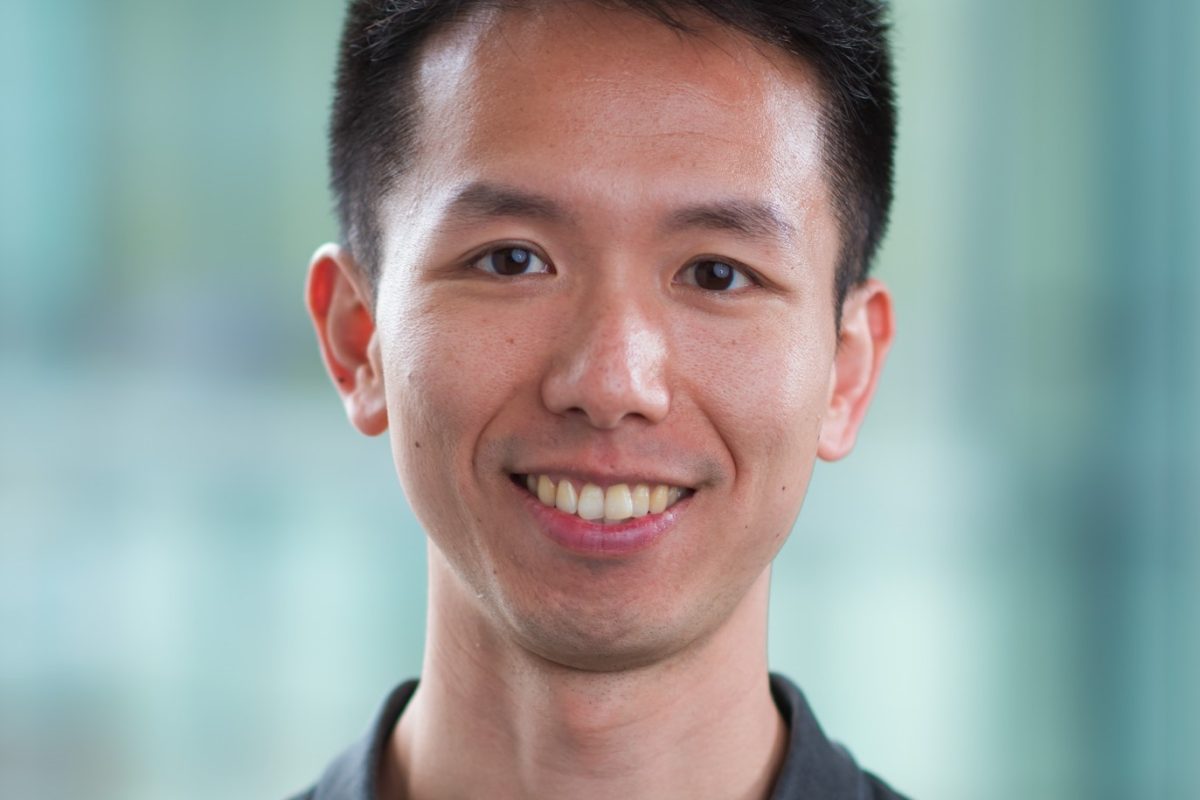
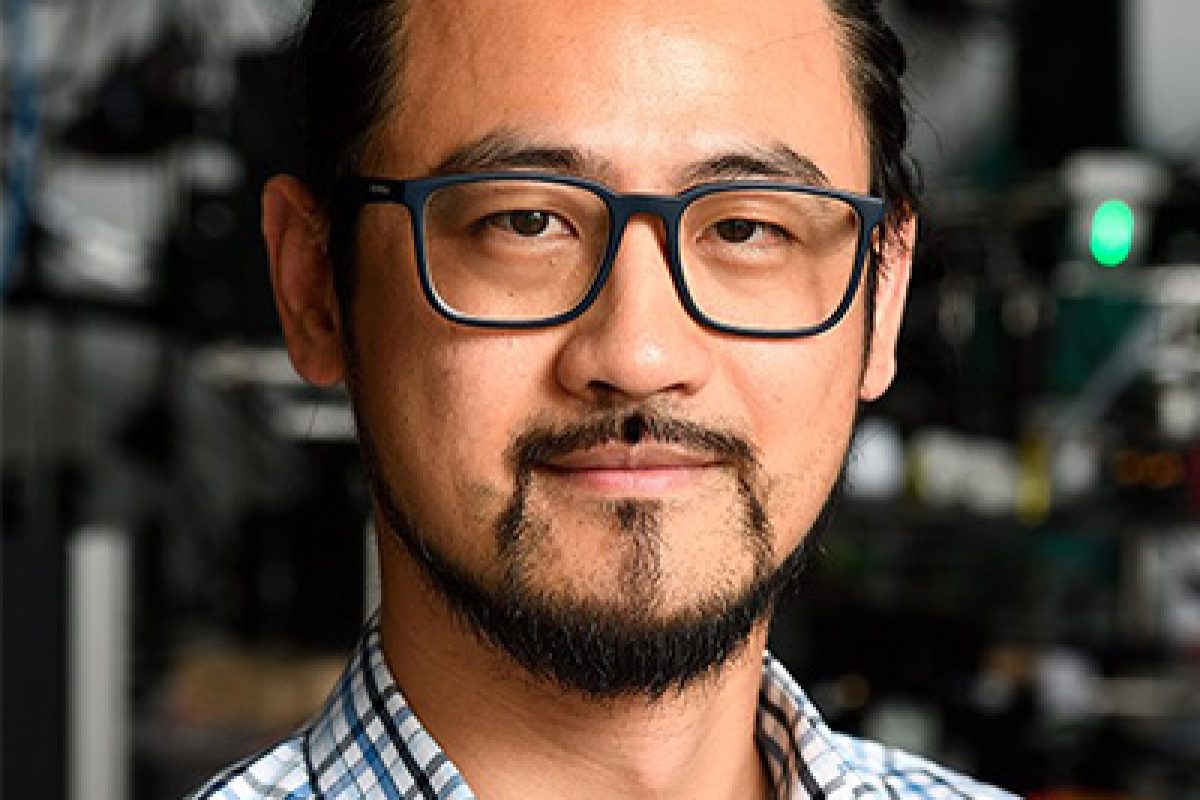
Wojtek Zbijewski is an Associate Professor at JHU Biomedical Engineering with over 15 years of experience in medical imaging technology, in particular in x-ray-based modalities – radiography, tomosynthesis, CT, micro-CT, and cone-beam CT. The research at his QuantIS lab uses advanced computer modeling and benchtop experiments to optimize imaging systems and algorithms for quantitative applications, focusing on orthopedics and pulmonology. His interests also include computational techniques to extract diagnostic information from image data, such as radiomics and shape analysis. The quantitative imaging technologies developed by Dr. Zbijewski are applicable to longitudinal evaluation of tissue engineering therapies in animal and human studies.

Youseph Yazdi
Dr Yazdi’s focus and expertise is on early-stage healthcare innovation. He has over 30 years of experience in academia and industry in research, invention, product development, investment, and strategy all focused on medical devices. Dr Yazdi received the BS degree in Electrical and Computer Engineering from Rice University, a MSE in Ultrasonics from UT-Austin, his PhD in Biophotonics from UT-Austin, and his MBA in Entrepreneurial Management from the Wharton School of Business at UPenn. Most of his career has been in industry, at Johnson & Johnson, in R&D, Business Development, and as Corporate Director, Science & Technology. Dr Yazdi joined the faculty of Johns Hopkins School of Medicine in 2009 as head of the Johns Hopkins Center for Bioeng. Innovation & Design (CBID), and is also Associate Professor in the Department of Biomedical Engineering.
Vasiliki Machairaki
The focus of my work directly advances the Center’s core themes of personalized medicine, healthy aging, and disease modeling. By generating patient-specific hiPSC lines and modeling cellular vulnerability in AD, my research enables precision stratification of biologic subtypes and supports individualized therapeutic discovery. The generation of physiologically relevant 3D brain organoids together with highly controlled 2D in vitro models of distinct CNS cell types provide physiologically relevant platforms that capture early pathogenic processes, thereby contributing to innovative disease modeling strategies. Moreover, our emphasis on understanding cellular resilience, intercellular communication, and mechanisms of neurodegeneration aligns closely with the Center’s focus on promoting healthy aging through the identification of potential therapeutic targets and biomarkers.
Yuchuan Miao
We build stem cell derived organoid systems to study human embryo development in the dish, focusing on the skeletal system including spine and limbs. With these advanced human organoids, we aim to model musculoskeletal diseases in vitro and advance tissue engineering to combat aging-associated diseases such as intervertebral disc degeneration and osteoarthritis
Ji Yi
Dr. Ji Yi led a Biophotonics lab to develop cutting-edge optical imaging methods to characterize complex biological tissues. The lab strives for high-speed, large scale volumetric reconstruction of dynamics systems, to characterize, phenotype, and reveal the fundamental mechanisms underlying development and pathology. Using real-time imaging, Dr.Yi’s lab integrates seamlessly with TTEC by quantifying structural and functional integration of tissue and cell engineering approaches in native tissues for regeneration or repair.