


Annie Kathuria
Dr. Annie Kathuria is an Assistant Professor of Biomedical Engineering at Johns Hopkins University, where she leads a pioneering research lab focused on organoid tissue engineering. Her work leverages the regenerative capabilities of pluripotent stem cells to develop highly detailed 3D tissue models, known as organoids, which replicate the complex micro-architecture of actual organs. These models are instrumental in advancing our understanding of neurological and rare disorders, including Autism, Schizophrenia, and Alzheimer’s disease, and they hold promise for targeted treatment development.
Dr. Kathuria’s research interests also include diabetic retinopathy and retinal ganglion cell (RGC) regeneration and replacement therapies. Her lab’s efforts in creating retinal organoids contribute significantly to the study of retinal diseases, providing insights into potential therapeutic strategies for conditions like diabetic retinopathy.
The integration of multi-electrode arrays and high-throughput imaging in her research facilitates high-throughput drug and toxicological screening, broadening the potential applications of her work beyond traditional biomedical research to include collaborations with the pharmaceutical and food industries.
Dr. Annie Kathuria has received several notable awards throughout her career. She was honored with the Anne Klibanski Visiting Scholar Award. Additionally, she received the Samuel Gershon Junior Investigator Award, highlighting her promising work as an early-career investigator. Before joining Johns Hopkins University, Dr. Kathuria served as an Instructor at Harvard Medical School, where she was involved in research and teaching in the field of regenerative medicine and stem cell biology. Her transition to Johns Hopkins marks a continuation of her impactful work in biomedical engineering and regenerative medicine.

Scott Wilson
Assistant Professor, Biomedical Engineering
Scott earned his PhD in Chemical Engineering at the Georgia Institute of Technology. While at Georgia Tech, Scott worked with Professor Niren Murthy developing drug delivery platforms for the treatment of inflammatory bowel disease, cranial re-synostosis, acute lung injury, and osteoarthritis.
As a postdoc in Professor Jeffery A. Hubbell’s Laboratory, Scott’s research focused on the synthesis and preclinical validation of biomaterials-based subunit vaccines that elicit cellular immunity against infections and malignancy, as well as disease-modifying inverse vaccines for autoimmunity.
In 2020, Scott joined the Johns Hopkins Biomedical Engineering Department as an assistant professor.
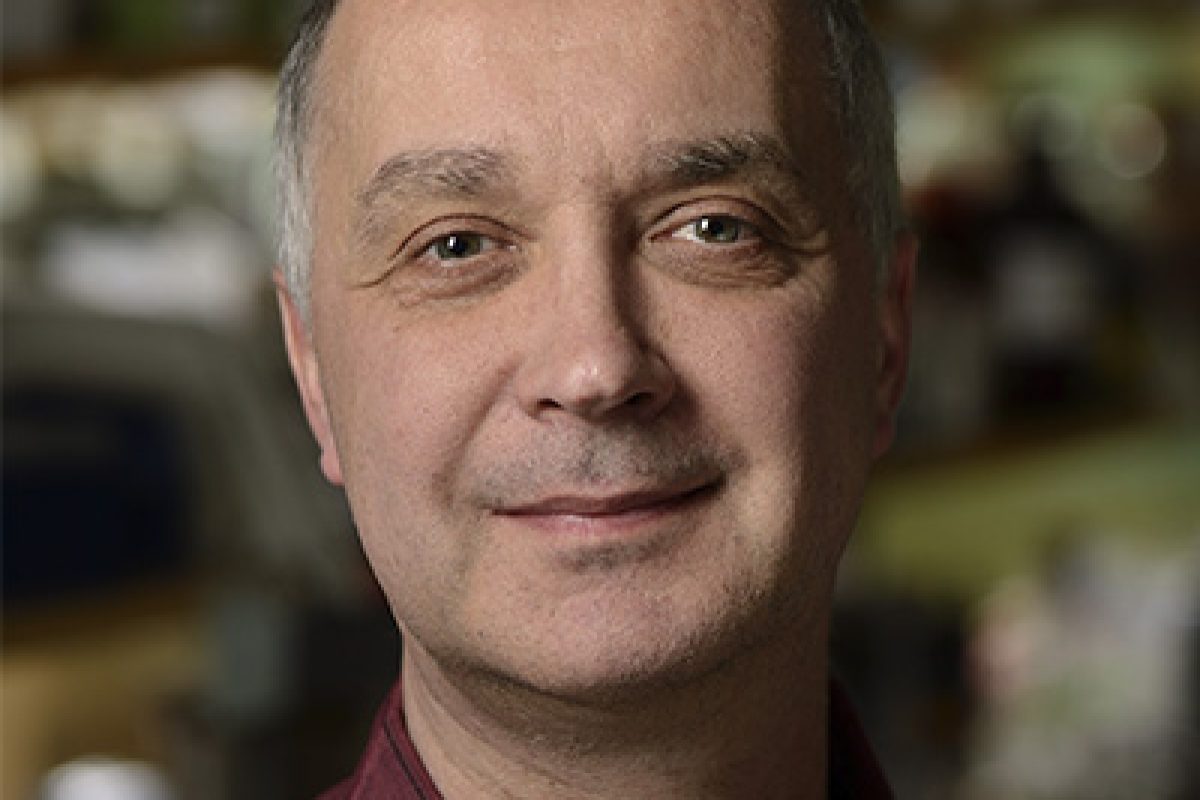
Kevin Yarema
Senior Lecturer, Biomedical Engineering
Our laboratory takes a multifaceted approach to study and manipulate glycosylation, the addition of complex sugars to the cell surface. Our goals are to better understand human disease while forwarding carbohydrate-based therapies. By controlling the type and level of glycosylation through “metabolic glycoengineering,” we are learning how glycosylation affects a cell’s fate and environmental interactions. We also study the impact of magnetic fields on cell signaling.
Featured article
Cancer Research: Your Cells’ Sugar Diet
For Kevin Yarema, research is sweet.
Yarema, an associate professor in Biomedical Engineering, has focused much of his efforts on metabolic glycoengineering — the ability to manipulate cells’ natural process of ingesting sugars and converting them into complex sugar structures that cover the cell surface.
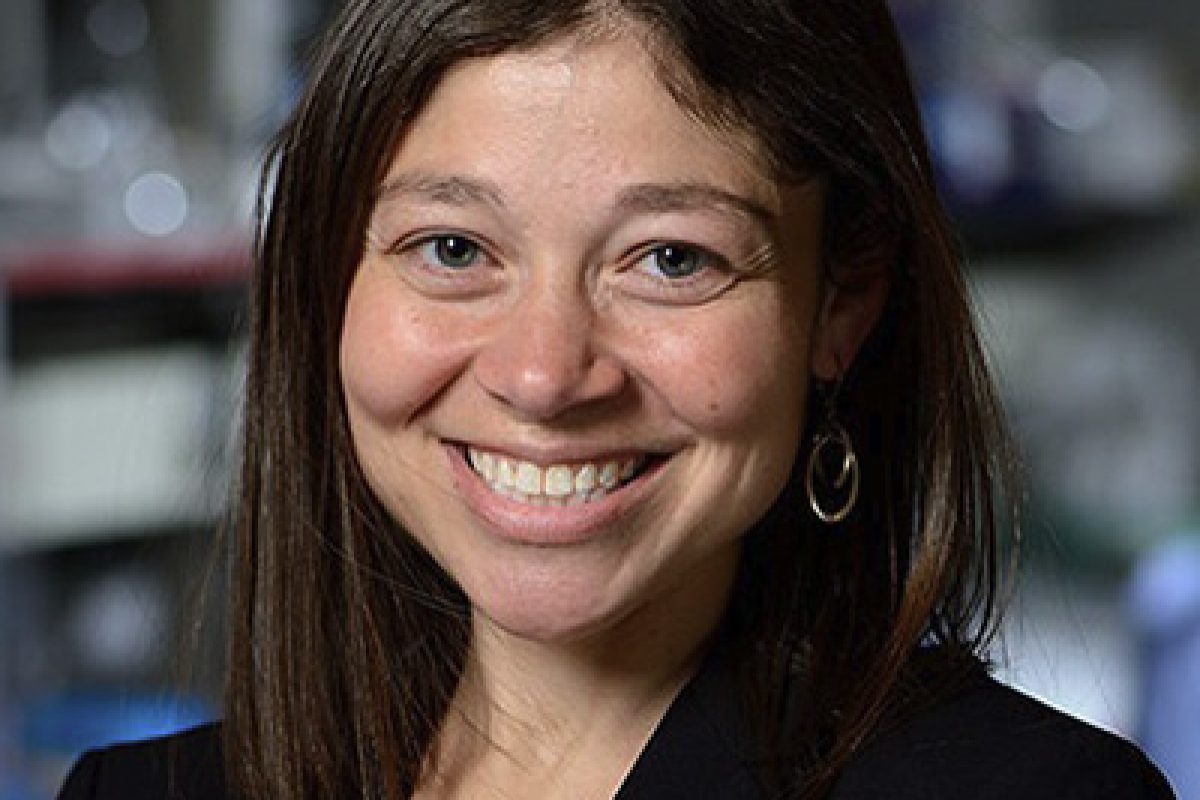
Jamie Spangler
Assistant Professor, Biomedical Engineering, and Chemical & Biomolecular Engineering
Leveraging cutting-edge technologies in structural biology and molecular design, we are pioneering a unique structure-based engineering approach to elucidate the determinants of protein activity to inform therapeutic development. We are particularly interested in engineering immune proteins, such as cytokines, growth factors, and antibodies, to bias the immune response for targeted disease treatment.
Featured article
Researchers enhance the function of natural proteins using ‘protein Legos’
Johns Hopkins engineers have helped develop and characterize an artificial protein that triggers the same response in the human body as its natural counterpart—a breakthrough that not only has the potential to facilitate the design of drugs to accelerate healing but also sheds light on the mechanisms behind various diseases.
Q&A with Jamie Spangler
Jamie Spangler is an assistant professor in the Department of Biomedical Engineering, with a joint appointment in the Department of Chemical and Biomolecular Engineering, at Johns Hopkins University. Through her pioneering research in the fields of immunoengineering and biomolecular engineering, Spangler aims to expand the repertoire of protein therapeutics for treating disease. Her current work focuses on redesigning naturally occurring proteins and engineering new molecules to overcome the deficiencies of existing drugs.