RESEARCHERS FIND THAT REMOVING SENESCENT CELLS PREVENTS JOINT DEGRADATION AND PROMOTES RENEWAL IN MOUSE JOINTS
Osteoarthritis, Or “Wear And Tear” Arthritis, Could Be Stopped And Even Reversed By Clearing Senescent Cells From Cartilage Tissue.
In a preclinical study in mice and human cells, researchers report that selectively removing old or ‘senescent’ cells from joints could stop and even reverse the progression of osteoarthritis.
MELD THE BEST OF IMMUNOLOGY AND THE BEST OF ENGINEERING AND WHAT DO YOU HAVE? THE NASCENT FIELD OF IMMUNOENGINEERING.
Meld The Best Of Immunology And The Best Of Engineering And What Do You Have? The Nascent Field Of Immunoengineering. “Immunoengineering Is Applying Engineering Principles To The Discovery And Design Of The Immune System,” Says Biomedical Engineer Jordan Green, A TTEC Faculty Member.
“Immunoengineering is applying engineering principles to the discovery and design of the immune system,” says biomedical engineer Jordan Green, one of several faculty members leading the charge in this area at Johns Hopkins. “This is a really new territory for us. These two different worlds historically haven’t intersected that much.”
THE INCIDENTS ARE RARE, BUT THE REPERCUSSIONS CAN BE GRAVE: EVERY YEAR, ABOUT 1 TO 2 PERCENT OF PEOPLE UNDERGOING HIP AND KNEE REPLACEMENTS IN THE U.S. END UP WITH SURGERY-RELATED BACTERIAL INFECTIONS. IN A WORST-CASE SCENARIO, THE INFECTION CONTINUES FOR MONTHS AND THE PATIENT REQUIRES A NEW PROSTHESIS.
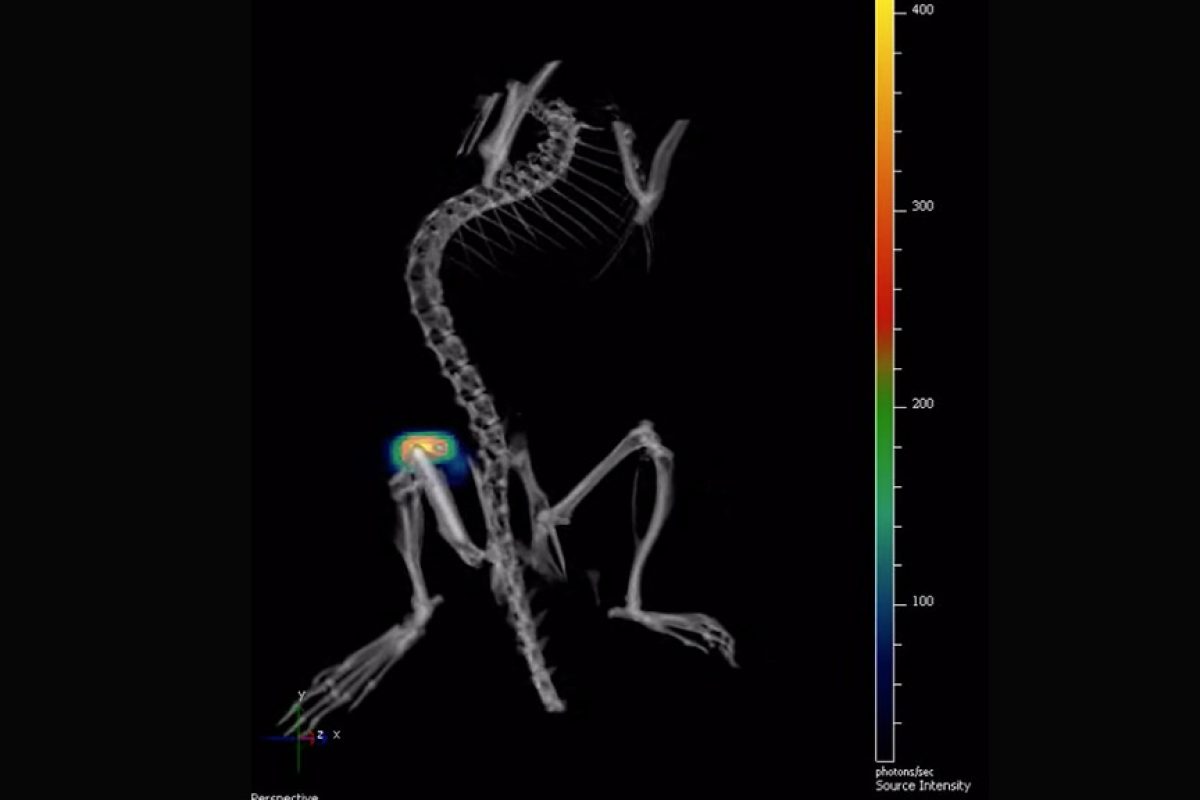
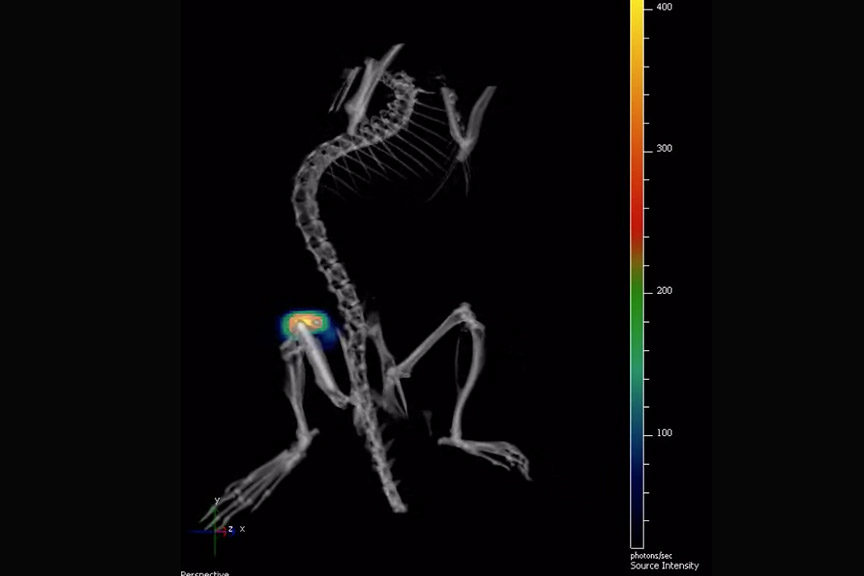
Bioluminescent Bacteria From The Infected Mouse Knee Joint That Did Not Receive An Antibiotic-Coated Implant.
Now, Johns Hopkins researchers have designed a thin, biodegradable plastic coating for metal implants that can release multiple antibiotics to diminish the chance of such infections.
JOHNS HOPKINS RESEARCHERS REPORT THAT A NEW PEPTIDE HOLDS PROMISE FOR IMPROVING TREATMENT FOR DEGENERATIVE RETINAL DISEASES, SUCH AS AGE-RELATED MACULAR DEGENERATION, DIABETIC MACULAR EDEMA AND DIABETIC RETINOPATHY. THESE VASCULAR DISEASES OFTEN RESULT IN CENTRAL VISION LOSS AS BLOOD VESSELS GROW INTO TISSUES AT THE BACK OF THE EYE, WHERE SUCH GROWTH SHOULD NOT OCCUR.
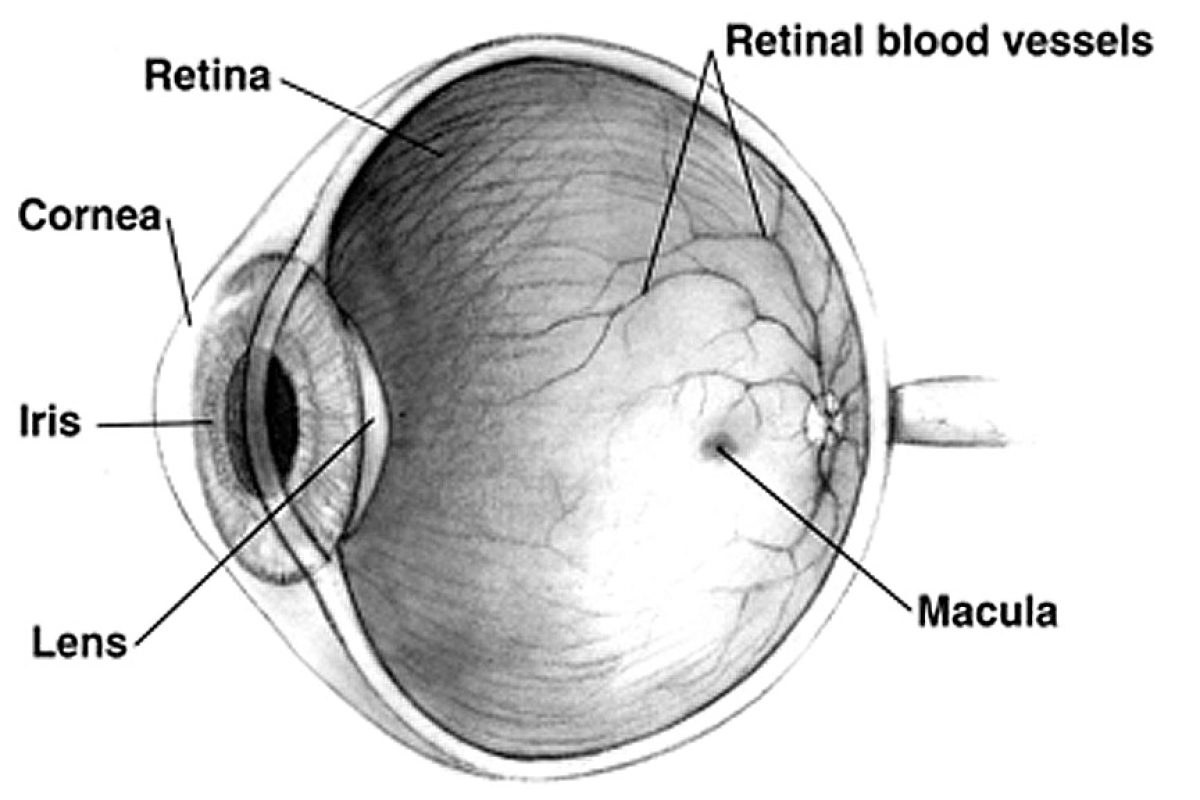
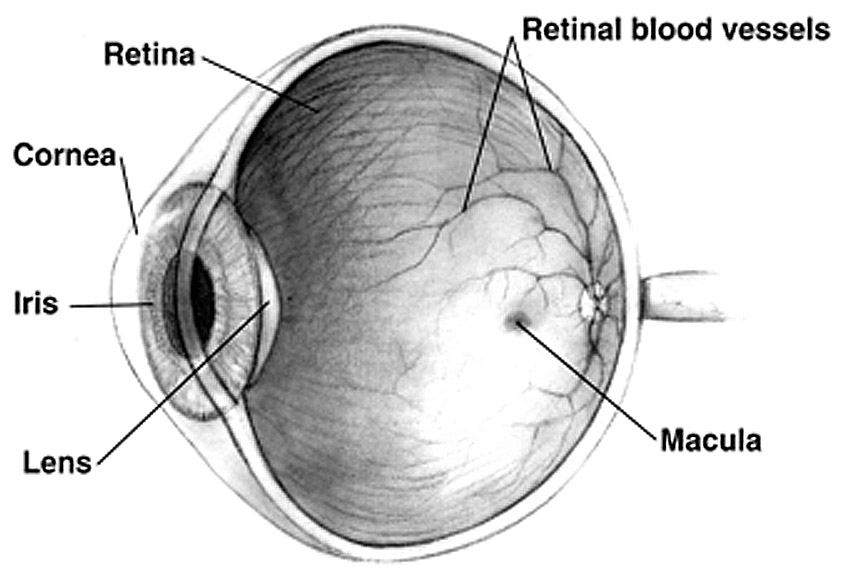
Cross Sectional Eye Anatomy. Credit: NIH National Eye Institute
The study, published Jan. 18 in Science Translational Medicine, shows that the injectable peptide may more strongly suppress abnormal blood vessel growth and leakage in the eye, cause regression of established abnormal vessels, and may last longer when compared to current treatments. If proven effective in humans, this could mean that patients need only a few needle injections to the eye per year, instead of the monthly injections that are the current standard of care.
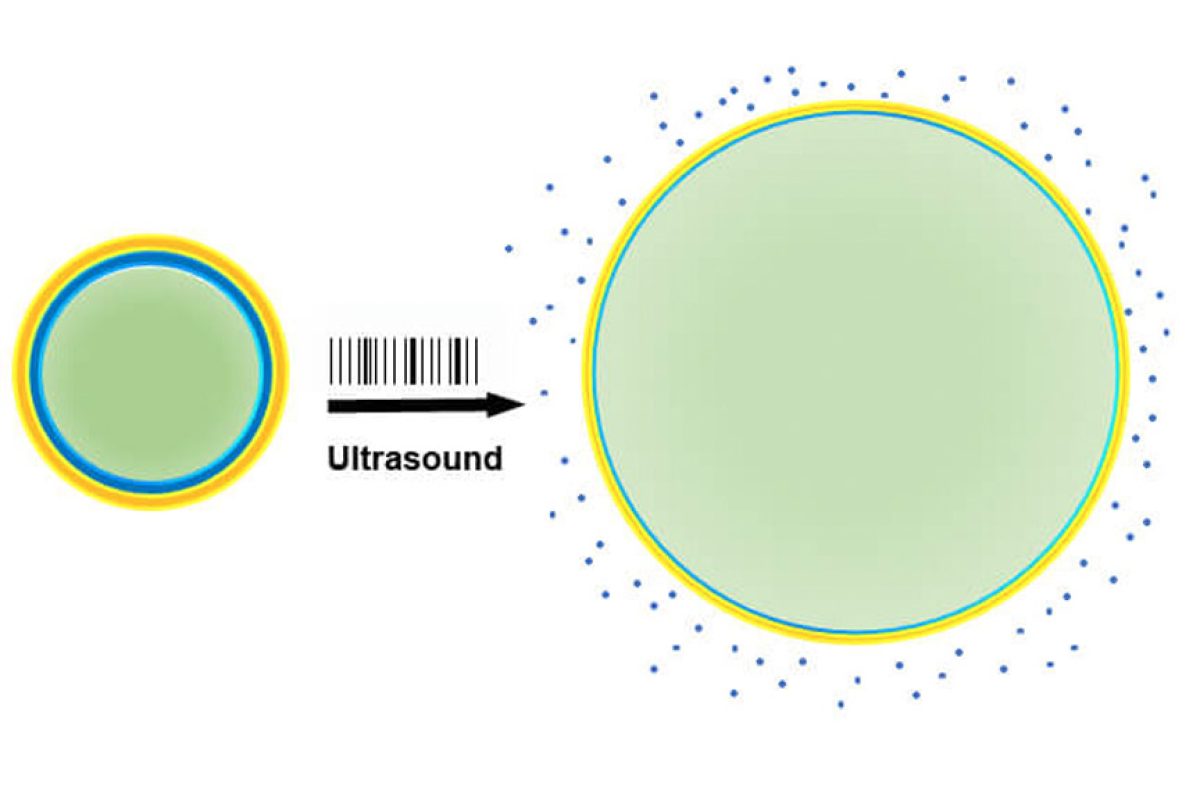
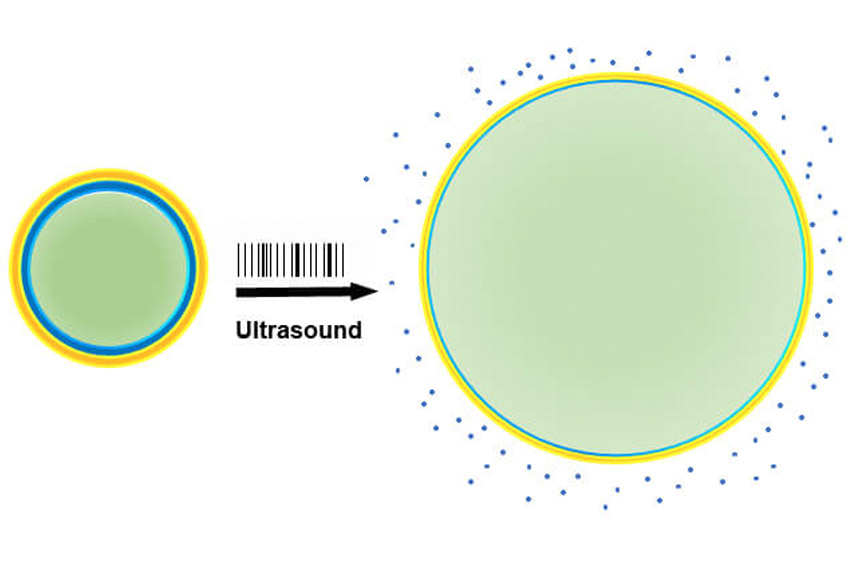
BIOMEDICAL ENGINEERS AT JOHNS HOPKINS REPORT THEY HAVE WORKED OUT A NONINVASIVE WAY TO RELEASE AND DELIVER CONCENTRATED AMOUNTS OF A DRUG TO THE BRAIN OF RATS IN A TEMPORARY, LOCALIZED MANNER USING ULTRASOUND. THE METHOD FIRST “CAGES” A DRUG INSIDE TINY, BIODEGRADABLE “NANOPARTICLES,” THEN ACTIVATES ITS RELEASE THROUGH PRECISELY TARGETED SOUND WAVES, SUCH AS THOSE USED TO PAINLESSLY AND NONINVASIVELY CREATE IMAGES OF INTERNAL ORGANS.
When Drug-Laden Nanoparticles (Left) Absorb Energy From Ultrasound Waves, Their Liquid Center (Green) Turns To Gas And Expands The Particles (Right), Loosening Their Exterior And Releasing The Drug (Blue).
Because most psychoactive drugs could be delivered this way, as well as many other types of drugs, the researchers say their method has the potential to advance many therapies and research studies inside and outside the brain.